Richard Mille’s name is now synonymous with cutting-edge innovation, ultra-luxury, and performance in the world of haute horlogerie. But the journey from an ambitious entrepreneur to the founder of one of the most coveted watch brands was far from smooth. This article delves deep into how Richard Mille broke industry norms, faced hard failures, and transformed a radical idea into a global icon.
Early Career and the Birth of a Dream
Born in France in 1951, Richard Mille started his career in the watch industry in the 1970s with small watchmaker Finhor. He later gained critical experience managing the chronometer division of Matra and then helped establish the watches division at the jeweller Mauboussin. While these roles bolstered his knowledge and network, Mille was restless—he wanted to break away from tradition and craft something truly original.
The defining moment came in the late 1990s after Mille’s departure from Mauboussin following a disagreement over commercial strategy. He envisioned a brand that defied the staid nature of luxury watches: one that fused high-tech materials from aerospace and Formula 1 with luxurious craftsmanship. His dream wasn’t just to make watches—it was to redefine what a luxury wristwatch could be. Partnering with Dominique Guenat, owner of Montres Valgine, and collaborating with industry giant Audemars Piguet, Mille officially formed Horométrie SA in 2001 and set out to write this audacious new chapter.
The RM 001: The Risk That Changed Everything
Richard Mille’s debut piece, the RM 001 Tourbillon, was no ordinary first watch. It was an extremely ambitious project: a manually wound tourbillon featuring unprecedented engineering and futuristic materials like carbon nanofiber and grade 5 titanium. Costing more than double the price of the priciest tourbillons of the time—around $135,000—and limited to just 17 pieces, the RM 001 was a bold statement that challenged watchmaking orthodoxy.
Early setbacks nearly derailed the brand. Mille faced a critical failure with the torque indicator, delaying launch by an entire year. Rejecting the option to cut corners and rush a flawed product, he instead invested his own money and endured financial strain to perfect the piece. He calls this period painful but formative—it taught him resilience and the uncompromising pursuit of quality that would define the brand.
Breaking Conventions: Technology, Design, and Marketing
Richard Mille disrupted with more than just materials. He pioneered a design language echoing the raw power and technology of Formula 1, with skeletonized movements and visible mechanics emphasizing transparency and performance. Unlike typical gold or platinum luxury watches, Richard Mille’s pieces prioritize lightweight, shock resistance, and durability, merging functionality with artful aesthetics.
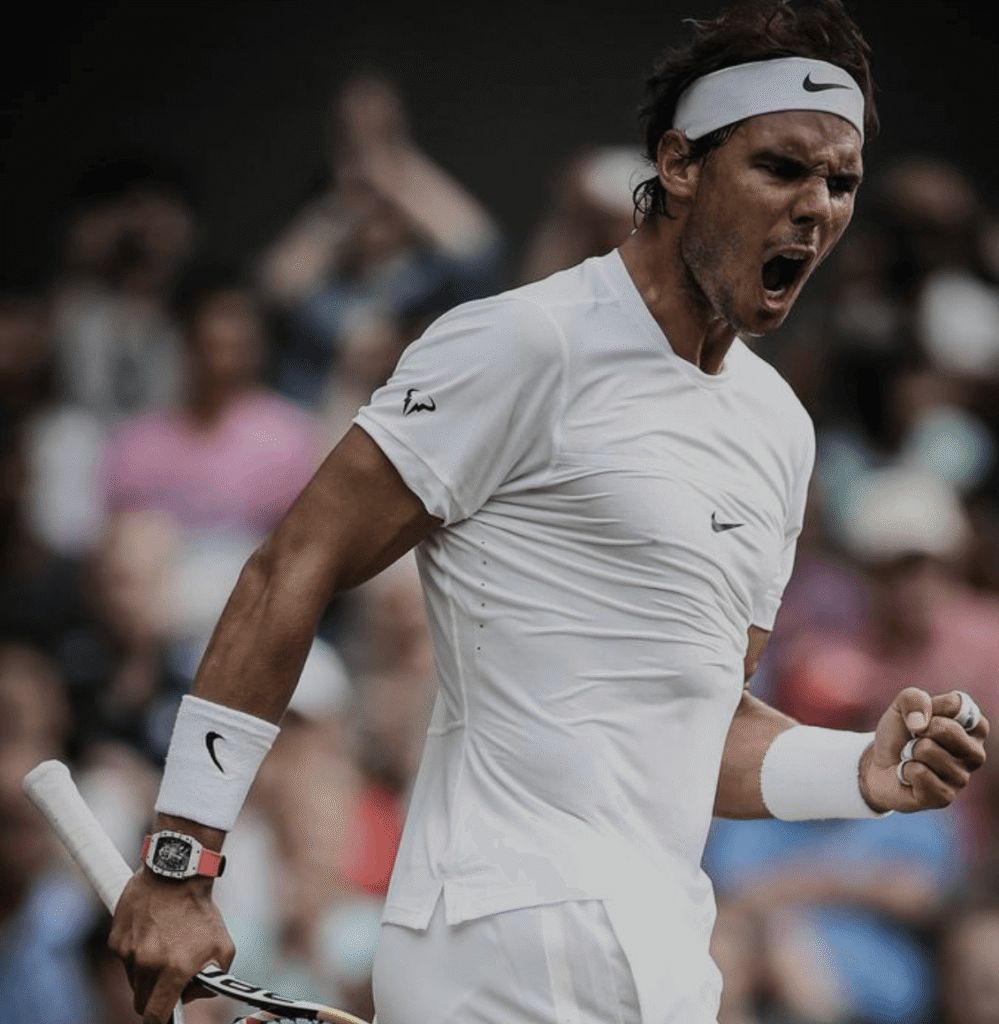
From the start, Mille produced watches in small quantities—around 5,000 per year—which limited supply and heightened exclusivity. Unlike mass-market luxury brands, this scarcity fueled hype and maintained price premiums unmatched in the industry. Celebrities and athletes like Rafael Nadal and Pharrell Williams adopted Mille watches, not as paid endorsements but because they genuinely valued the watches’ innovation and toughness. This authentic celebrity adoption only amplified the brand’s cachet.
Hitting Challenges and Learning from Failure
The high-stakes innovation Rienhardt embarked on meant no margin for error. Each new technical breakthrough required massive R&D investments and encountered risks. Establishing a brand on novel materials like LITAL® alloy and carbon fiber, while also pioneering tourbillons with intricate complications, often meant delays, high costs, and production challenges.
Mille’s first year launching RM 001 was marked by almost a complete failure to meet deadlines, forcing him to forfeit planned launches. He also endured harsh market skepticism—the watch’s astronomical price and futuristic look baffled traditional buyers. Yet, rather than retreat, Mille leaned into his vision of radical innovation and technical excellence, gradually convincing collectors that his watches were not just status symbols but true mechanical masterpieces.
Surging to Global Renown
Over the last two decades, Richard Mille has grown from a niche avant-garde watchmaker into a global luxury powerhouse. With a portfolio of over 160 models and numerous innovations in material science and watchmaking mechanics, the brand epitomizes disruptive luxury.
Financially, Richard Mille watches command sky-high prices with some models retailing from $150,000 to over $2 million and often doubling or tripling that on the secondary market. The company’s refusal to compromise on exclusivity or quality causes resale values to outperform major stock indices like the S&P 500, making certain models coveted assets beyond pure wristwear.
The Formula for Success: Innovation Meets Emotion
Richard Mille transcended technical wizardry by instilling deep emotional and cultural appeal into his watches. His creations embody adrenaline, speed, and boldness—qualities linked to motorsport legends, space exploration, and elite performance. The “racing machine on the wrist” tagline isn’t just marketing: it captures the essence of watches worn on the racetrack and seen as trophies of human ingenuity.
Mille’s watches also serve as cultural statements for their wearers who seek far more than conventional luxury. The brand’s ability to combine avant-garde materials, artistry, and emotional storytelling has created a fiercely loyal community and a legacy of avant-garde excellence.
Hard-Hitting Facts
- Founded in 2001, Richard Mille sales grew to $450 million by 2024 and continue rising despite economic headwinds.
- Only 5,000 watches are made annually, making scarcity a deliberate brand pillar.
- RM 001, the first watch, featured ultra-light carbon and titanium, unusual among luxury watches of the era.
- The brand partners with Audemars Piguet Renaud et Papi for highly complicated movements.
- Celebrities including Rafael Nadal and Pharrell Williams purchase their watches outright—no paid endorsements.
- Richard Mille watches have secondary resale prices that routinely exceed double retail.
- Despite rocky beginnings and early failures, Mille’s self-funded risk aversion built an enduring brand of uncompromising quality.
Conclusion: Vision and Tenacity Redefined Luxury
Richard Mille dared to rewrite the rules of luxury watchmaking in ways many considered reckless. From launching with a delayed and costly tourbillon to carving a niche with outrageous prices and technical bravado, Mille’s journey epitomizes visionary risk-taking.
His brand is now an emblem of mechanical artistry, technical innovation, and cultural prestige worldwide. The formula? Unwavering determination, refusal to cut corners, and the bold ambition to marry aerospace engineering with haute horlogerie.
Richard Mille’s story reminds entrepreneurs and creatives alike that disrupting tradition requires stamina, patience, and often surviving early failures to ultimately transform entire industries.