The FDA approval and global rollout of new blood-based diagnostic kits for Alzheimer’s disease, especially Roche’s Elecsys pTau181 test, represent a real breakthrough in the world of dementia care and early intervention. These innovations are ushering in a new era by making Alzheimer’s screening accessible, affordable, and far less invasive than traditional methods. This shift promises to change how millions approach both diagnosis and treatment.
Introduction: A New Dawn for Alzheimer’s Diagnosis
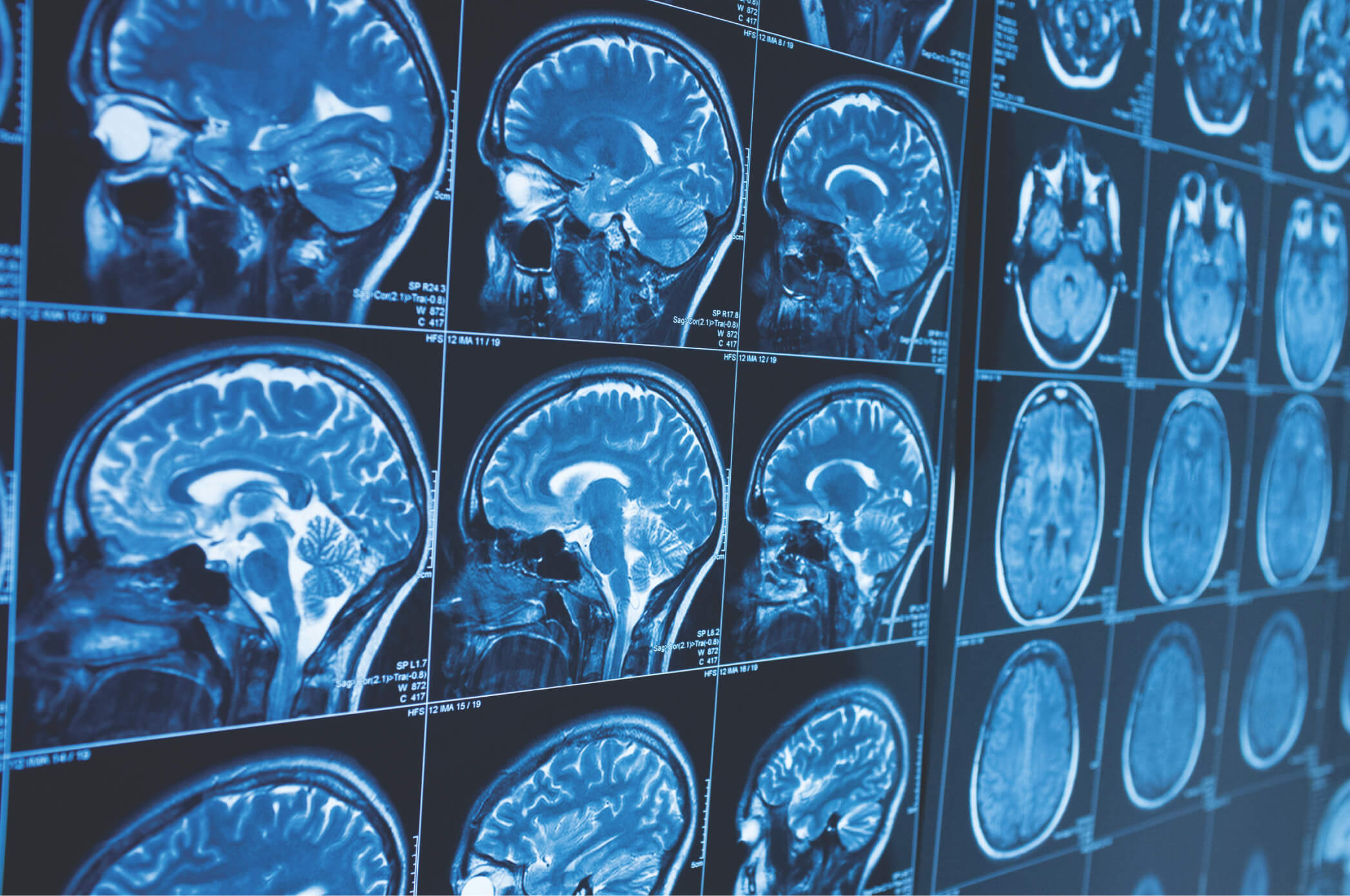
Alzheimer’s disease diagnosis has traditionally required complex, costly, and often uncomfortable procedures such as PET brain scans or lumbar punctures (spinal taps). These tests involve injecting radioactive tracers or extracting cerebrospinal fluid, which can be intimidating and physically taxing for patients. Moreover, these tests are usually performed in specialized centers, necessitating multiple referrals and long waiting times. Patients in remote or under-resourced areas often face additional barriers including travel difficulties, limited access to specialists, and delayed diagnoses, which can prolong uncertainty and anxiety for affected individuals and their families.
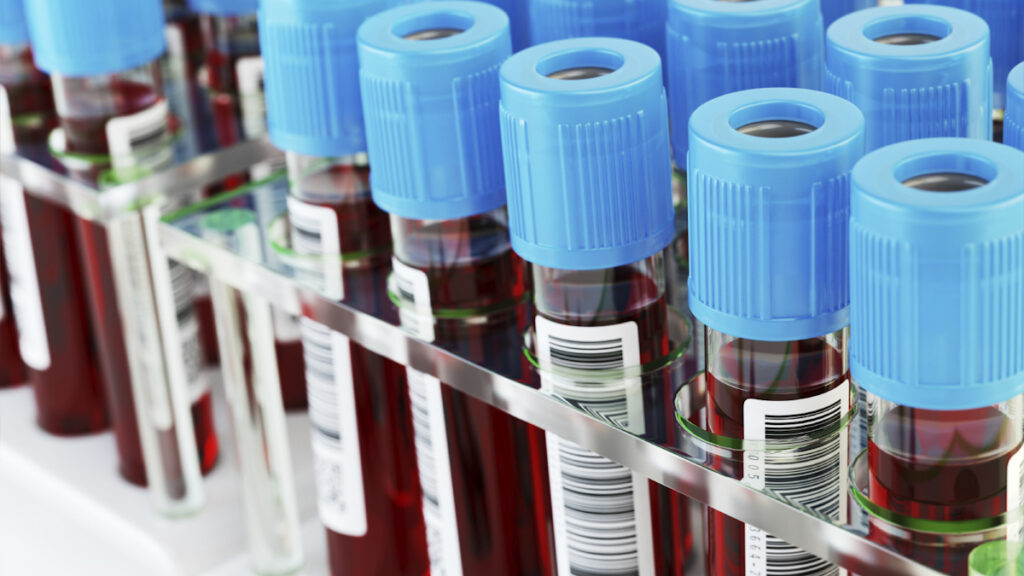
The advent of blood-based biomarker tests like Roche’s Elecsys pTau181 is transformative because it simplifies this diagnostic journey dramatically. Instead of complex procedures, healthcare providers can obtain important Alzheimer’s-related information from a standard blood sample taken during a routine primary care visit. This means patients experience far less physical discomfort and psychological stress. Additionally, results can be integrated efficiently into existing clinical workflows, enabling faster diagnostic decisions without multiple specialist referrals.
Game-Changing Technology: The Science Behind the Test
Elecsys pTau181 is a blood test that helps doctors detect early signs of Alzheimer’s disease. It measures a protein called pTau181, which is linked to brain cell damage. In healthy brains, Tau proteins help nerve cells function properly. But when these proteins change abnormally, they start forming tangles that block communication between brain cells, leading to memory loss and confusion. Along with another protein called amyloid, Tau buildup is one of the key signs of Alzheimer’s and similar memory disorders.
What makes Elecsys pTau181 special is that it can spot these changes through a simple blood test, instead of needing brain scans or spinal fluid samples. This helps doctors diagnose the disease earlier, track its progress, and choose better treatment options. It also supports researchers working on new ways to slow down or stop brain damage caused by Alzheimer’s.
Fast, Accessible, and Minimally Invasive
One of the most powerful impacts of this technology is its accessibility. Instead of relying on expensive and invasive diagnostic tools, primary care doctors can now use a basic blood test to either refer patients for further Alzheimer’s workup or to rule out the disease quickly. As a result:
- Patients can receive clarity faster, without waiting months for specialist appointments or undergoing uncomfortable procedures.
- Clinicians can more efficiently triage cases of cognitive decline, directing limited resources to people who genuinely need further memory clinic investigation.
- Healthcare systems can save millions in costs, streamline their dementia pathways, and reduce overall strain.
The test was validated in multicenter studies across several continents and was shown to work effectively across different ages, genders, and health backgrounds, with minimal impact from factors like body mass index or impaired kidney function.
Impact on Treatment: Unlocking New Therapy Pathways
Early detection of Alzheimer’s is crucial. Many of today’s most promising treatments, particularly anti-amyloid monoclonal antibodies, are most effective in the disease’s earliest stages. Until now, diagnosing Alzheimer’s early enough for possible intervention was incredibly challenging, since symptoms often overlap with other types of dementia or mild cognitive impairment.
With blood tests like Elecsys pTau181, patients can access these treatments sooner, opening a window for therapies that could slow or even halt disease progression. The FDA has granted fast-track approval to new monoclonal antibodies designed to target amyloid plaques or tau buildup, and early evidence suggests these drugs could significantly delay cognitive decline, especially when administered promptly following diagnosis.
Breaking Down Barriers: Widening Global Access
Another game-changing aspect is equity. Traditional diagnostic methods have long been biased towards major hospitals or research centers, locking out millions in smaller towns and developing countries. Blood-based testing democratizes dementia diagnosis, bringing specialist-level care into family clinics and community healthcare settings worldwide.
- The European approval (CE Mark) and subsequent FDA clearance mean patients in both continents can now benefit from this technology, with expansion into Asia and other regions likely soon.
- Insurance companies, including Medicare and Medicaid, are expected to cover the cost of these tests, making standard-of-care screening for Alzheimer’s accessible to those who need it most.
- Earlier and more widespread diagnosis means researchers can recruit for clinical trials more efficiently, potentially speeding up the discovery of new drugs and precision therapies.
Addressing Misconceptions and Limitations
While blood-based tests like Elecsys pTau181 represent major progress, they are not meant to be standalone diagnostic tools for Alzheimer’s disease. The strength of Elecsys pTau181 lies in its ability to “rule out” Alzheimer’s-related amyloid pathology, meaning that if a patient tests negative, it’s highly unlikely their symptoms are caused by Alzheimer’s. However, for those who test positive, the result must be interpreted alongside a broader spectrum of clinical information and confirmatory testing, such as PET scans, cerebrospinal fluid (CSF) analysis, genetic screening, and other lab tests.
Alzheimer’s diagnosis is multi-step and must consider overlapping symptoms with other forms of dementia and cognitive disorders. Plasma pTau181, for example, shows excellent sensitivity but not perfect specificity, and biological markers can sometimes overlap with other conditions or occur in healthy older adults. So, practitioners use these blood tests as part of a diagnostic workflow to decide which patients need more specialist follow-up and which can be reassured or managed for other causes. This careful stepwise approach helps avoid misdiagnosis and unnecessary psychological distress, while enabling patients to access treatment and support more efficiently.
Looking Ahead: The Crowded Field of Innovation
The approval of Roche’s Elecsys pTau181 blood test marks the beginning of a new era for Alzheimer’s diagnostics, with many new tests and technological innovations currently in the pipeline. Several next-generation biomarker tests (targeting tau variants, amyloid, neurofilament light chain (NfL), and glial fibrillary acidic protein (GFAP)) are undergoing late-stage trials and showing promising results for even earlier and more accurate detection in diverse populations.
Machine learning, digital biomarkers, and smart devices are also advancing rapidly. For example, algorithms can analyze speech, spatial awareness, and cognitive patterns, forecasting risk years before traditional symptoms present.
The convergence of innovative diagnostics with new treatment modalities (including monoclonal antibodies and disease-modifying drugs) may eventually make Alzheimer’s a treatable or even preventable disease. Personalized medicine, clinical trial recruitment, and at-home monitoring are expected to become a reality, helping researchers develop breakthrough therapies and enabling patients to maintain cognitive health longer.
Blood-based diagnostics are thus only the first wave, ushering in broader, deeper, and more tailored approaches to understanding and combating Alzheimer’s for the next generation.
Conclusion: A New Era of Hope for Patients and Families
In summary, blood-based diagnostic kits for Alzheimer’s are not just scientific triumphs. They are game changers for public health. For the first time, millions can get timely answers about cognitive decline without stress, cost, and delay. Doctors get new tools for triaging and managing dementia care, while insurance and healthcare systems save resources that can be redirected elsewhere.
And perhaps most importantly, the hope for early intervention, new treatments, and a world where Alzheimer’s does not carry the same fear and uncertainty as before is now within reach. As research accelerates and more innovative diagnostics and therapies emerge, the future looks promising for patients, families, and clinicians alike.
This is the dawn of accessible, effective, and equitable Alzheimer’s care. A transformation set to reshape global dementia management for generations to come.