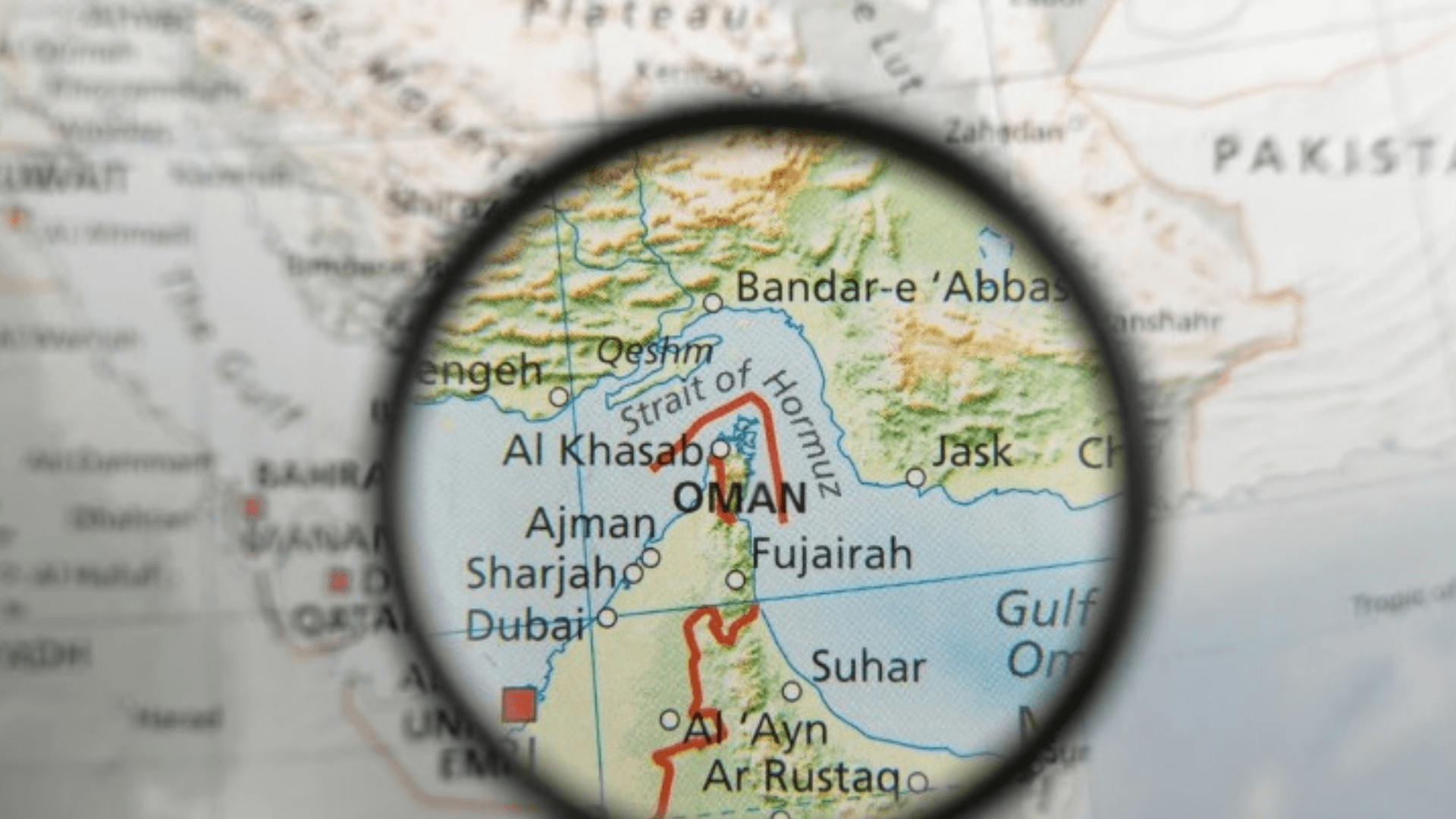
The Strait of Hormuz is not just another stretch of water — it is the narrow but powerful artery through which around 20 million barrels of oil and a fifth of global LNG flow daily. Its strategic geography makes it the most critical energy chokepoint globally, vital to Asia, Europe, and India’s energy security.
Any disruption here sends shockwaves across global shipping, inflation, commodity prices, and world markets. Despite alternatives, limitations leave the world vulnerable to geopolitical tensions with long-term economic stakes.
Strategic Geography and Why It Matters to Everyone
Imagine the Strait of Hormuz as a narrow bridge, just 21 miles wide at its tightest, linking the Persian Gulf to the Arabian Sea. Positioned between Oman to the south and Iran to the north, this waterway is a vital global energy funnel.
The importance? The strait channels about 20% of the world’s petroleum liquids consumption daily—equivalent to roughly 20 million barrels of oil—and about a fifth of global liquefied natural gas (LNG) exports. This is not just regional significance. The energy coursing through Hormuz powers cities, industries, and economies worldwide, especially in Asia, Europe, and India.
Few locations on Earth have such outsized influence on energy security. Its geography allows even the largest crude oil tankers to pass, but its narrowness means any blockage can cause global ripple effects.
While pipelines exist to bypass Hormuz, their capacity is limited—Saudi Arabia’s East-West pipeline and the UAE’s Fujairah pipeline combined can handle only a fraction (around 8 million barrels per day) of the volume that flows through the strait.
The Heartbeat of Global Oil Supply: Who Depends on It?
If the Strait of Hormuz were a heart, it pumps life-blood—oil and gas—to the global economy. Around 20 million barrels of crude oil and petroleum products traverse it daily, accounting for over a quarter of the world’s seaborne oil trade.
Asia relies heavily on this corridor: approximately 75% of oil transiting the strait is bound for Asia, with China alone receiving about 45% of its crude oil this way. Europe and India also have significant stakes in this energy flow, importing large volumes of oil and LNG through the strait.
Meanwhile, key Gulf exporters such as Saudi Arabia, Kuwait, UAE, Iraq, and Qatar depend on this corridor for their energy exports. Qatar, for instance, sends nearly 77 million metric tons of LNG annually, around 20% of global LNG supply, through Hormuz. Any disruption therefore jeopardizes not just oil but substantial natural gas trade, creating vulnerability in multiple energy sectors.
Business on the Move: Shipping Logistics and Hidden Costs
For global businesses, the Strait of Hormuz is more than just a shipping lane—it is a critical juncture in complex supply chains. Commercial shipping through Hormuz moves not only oil and gas but also petrochemicals, fertilizers, grains, and manufactured goods. Any hiccup here magnifies transportation costs and shipping delays.
Rerouting ships around Africa’s Cape of Good Hope can add two weeks of transit time, pushing freight rates higher and ballooning insurance premiums—sometimes by tenfold during periods of tension.
Just-in-time industries—automotive, electronics, and food manufacturing—depend on tight shipping schedules. A delay or surge in shipping costs due to Hormuz-related risks ripples through supply chains, increasing production costs, product prices, and lead times globally.
Closure of the Strait of Hormuz: Long-Term Economic Consequences
When supply routes like the Strait of Hormuz face disruptions—even threats—the price at the pump and on supermarket shelves does not wait to rise. Energy cost spikes directly inflate prices of oil and gas globally. Because energy is integral to transport, manufacturing, and agriculture, price surges feed into wider inflation.
Fuel price jumps translate to costlier food production and distribution, higher manufacturing costs, and increased expenses for everyday consumer goods.
This inflationary pressure disproportionately affects countries dependent on energy imports. Europe and Asia might face rising heating bills and manufacturing slowdowns, while emerging economies feel a double pinch as inflation tightens household budgets and strains national resources.
The global economy faces a chain reaction: energy price shockwaves driving inflation that touches every corner of daily life.
So, the global interdependence created by the Strait of Hormuz is a double-edged sword—while powering growth, it also exposes economies to geopolitical risks that could push inflation higher, growth slower, and crisis deeper for many.
Conclusion
The Strait of Hormuz is a chokepoint that truly matters to every global citizen—whether a commuter filling up a car in India, a business managing supply chains in Europe, or a policymaker in Asia grappling with inflation. Its strategic geography and the sheer volume of energy passing through it make it a linchpin of global stability. Understanding its complexities isn’t just an academic exercise; it’s key to anticipating shocks, shaping policy, and fostering smarter energy and trade strategies worldwide.