When you think of the world’s most desirable hotel rooms—places where privacy reigns, nature flows, and every detail feels magical—the name Aman almost always echoes softly into the conversation. Aman Resorts, founded by Adrian Zecha, didn’t just build luxury hotels; it quietly revolutionized what it means to stay, to escape, and to belong. This is the story of how a hotelier’s dream became the world’s most mythical luxury brand—and how the ripple of one vision has redefined the entire industry.
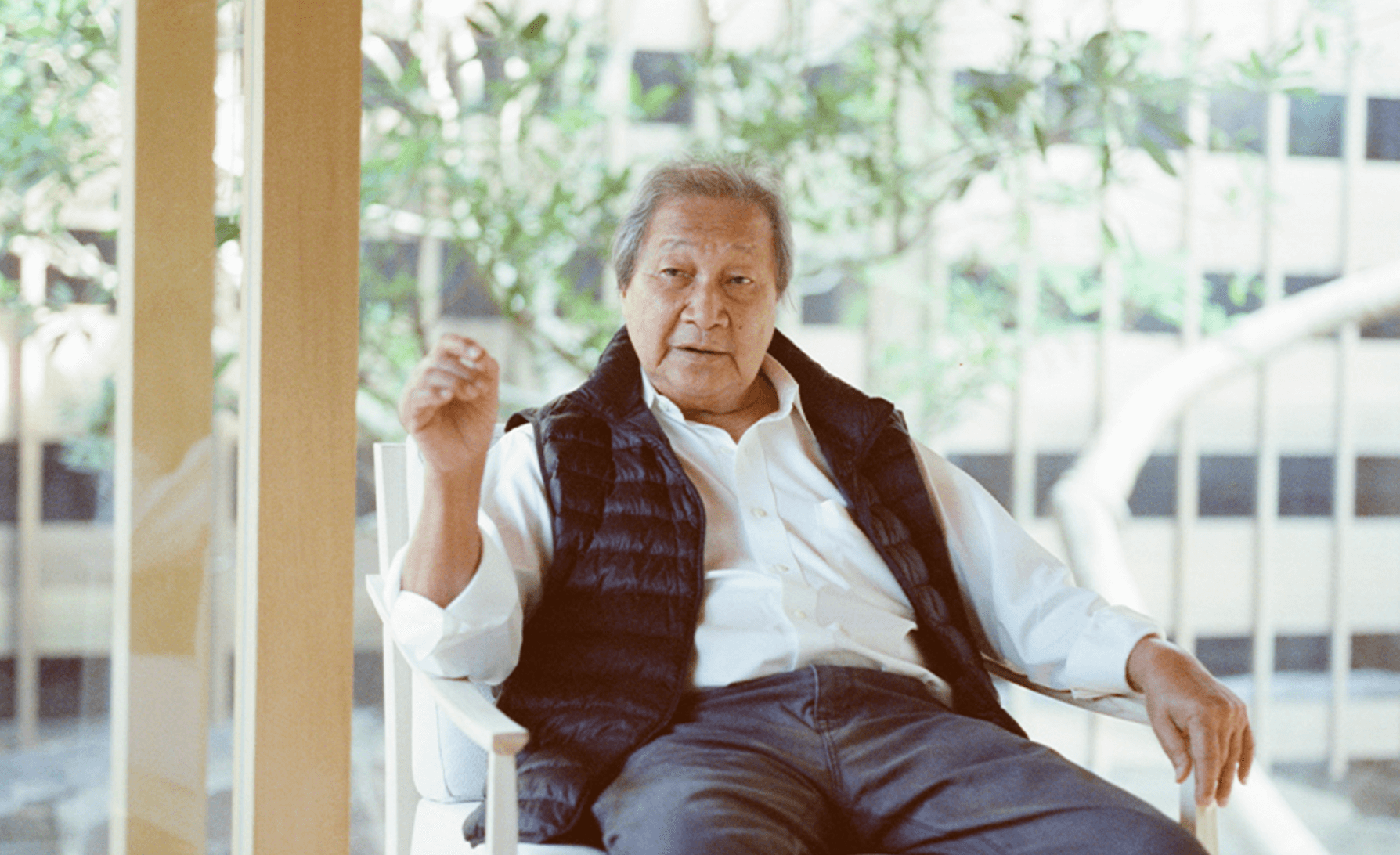
Adrian Zecha: The Reluctant Hotelier with a Global Soul
Born in Indonesia in 1933 to a culturally rich, well-travelled family, Adrian Zecha was endowed early with an appreciation for detail and diversity. He began as a journalist and publisher, moving later into hospitality almost by accident—a passionate traveller frustrated by hotels that felt impersonal and corporate, even at their highest echelons. Zecha’s journey included founding ground-breaking hotel names like Regent International and GHM, but nothing would be as game-changing as Aman.
His multicultural upbringing and keen sense for beauty led him to believe the ultimate luxury was not gold trim or flashy lobbies, but a soul-deep sense of place—a private home woven seamlessly into the world’s most serene landscapes.
Amanpuri: A Founding Philosophy
In 1988, Zecha visited Phuket, Thailand, hoping to find the perfect holiday home. What he instead created was Amanpuri, Aman’s first resort. From its inception, Amanpuri was radically different:
- Fewer than 50 rooms set in discreet pavilions
- Seamless design, shaped by local craftsmen and natural materials
- Nightly rates set at five times higher than competitors, surprising for such a small-scale project
Banks balked, seeing no way that such an exclusive model could work. But Zecha held his ground, funding the venture with friends and personal capital. His thesis: the true traveller yearns for intimacy, peace, and authentic connection—a place that feels less like a hotel and more like a hidden haven, with staff who treat guests not as customers, but as cherished family.
The Aman Experience: Redefining Luxury
Most luxury hotels focus on excess—Aman focuses on essence. Zecha systematically uprooted the old formula:
- Privacy Over Publicity: Properties are hidden, rarely advertised, and fiercely protective of guests’ identities—resulting in a cult of loyalty among royalty, celebrities, and discerning global nomads.
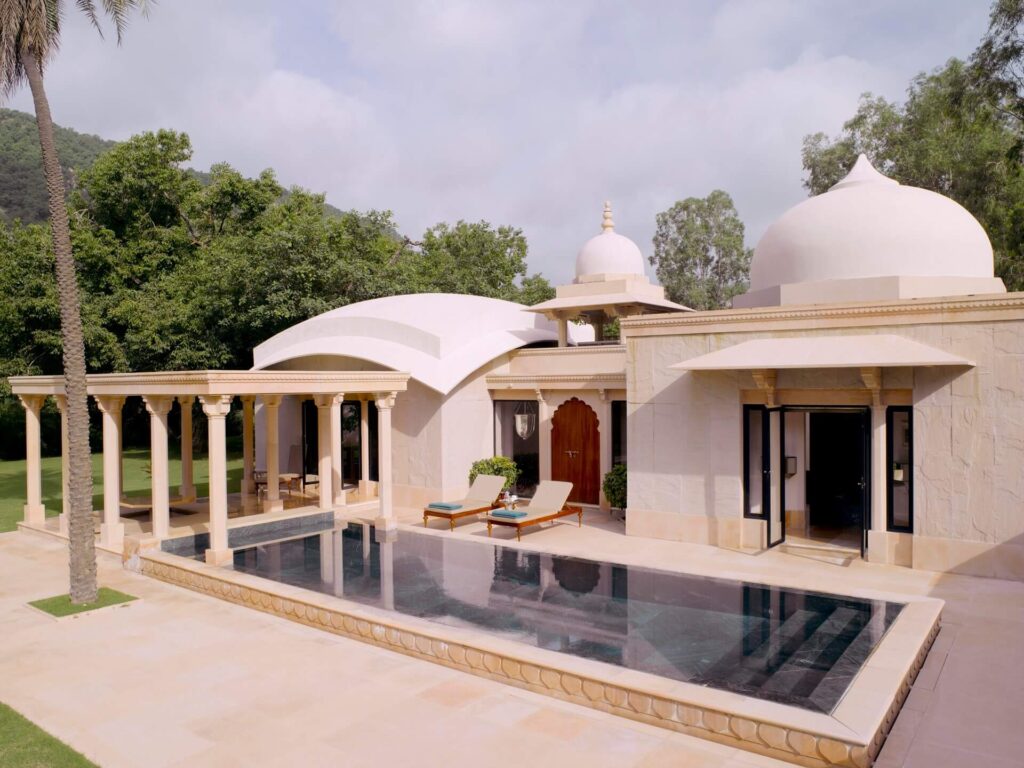
- Sense of Place: Every Aman is designed to echo the soul of its location, from ancient palaces in Rajasthan to the lush mountains of Bhutan or the desert sands of Morocco. Local culture, history, and community are woven into each service and structure.
- Minimalism, Not Minimal Service: Aman rooms feel tranquil and simple, but are layered with comfort, handcrafted details, and invisible service. Staff anticipate guests’ needs with a gentle touch, often learning preferences through intuitive observation.
- Personalization: Aman prides itself on creating memories unique to every traveler—dining, adventures, wellness all tailored, never standardized.
Over three decades, Aman has grown from word-of-mouth treasure to a collection of 36 resorts in over 20 countries, ranging from tropical islands and mountain retreats to urban sanctuaries.
The Quiet Revolution
Aman did not herald its arrival with ad campaigns or grand openings. Instead, it cultivated “Amanjunkies”—guests so devoted they plan years ahead to visit each new resort, sharing stories less in reviews and more in whispers to trusted friends.
By limiting the number of rooms and emphasizing quality over quantity, Aman’s innovation was less about business expansion and more about protecting guest experience. Unlike brands that chase scale, Aman chose intimacy, resulting in sky-high average rates, some reaching $5,000 a night, and occupancy that rarely falls below 70%.
Industry competitors took note. Today, boutique luxury and “experience-first” travel are dominant hotel trends globally, a direct response to Aman’s trailblazing ethos.
Impact Beyond Rooms: Aman’s Legacy and New Frontiers
Environmental and Social Leadership
Adrian Zecha’s concern for sustainability and culture runs deep. Aman resorts often employ local staff, use regionally sourced materials, and invest in community upliftment. The company actively avoids disrupting fragile ecosystems, striving for “invisible footprints” in labour and environment.
Aman’s design philosophy has also changed expectations: “Aman style” now stands for harmony with context—hotels that look and feel like organic extensions of the landscape rather than monuments of ego.
Expanding the Definition of Wellness
Aman was among the first luxury hotel groups to integrate wellness holistically, launching Aman Wellness programs, destination spas, and bespoke therapies. Recent partnerships with global icons like Novak Djokovic and Maria Sharapova for wellness retreats keep Aman at the forefront of holistic luxury.
New Ventures
Aman continues to push boundaries: launching sister brands like Janu (aimed at social and community-oriented wellness), expanding into city hotels like Aman New York, and even venturing onto the seas with luxury yachts. Each new property continues Zecha’s legacy of offering travellers transformative environments—never copy-paste replications.
Business Alchemy: Turning Vision into Value
Aman’s rare business model relies on scarcity, world-class design, and unyielding focus on service. Rather than chasing large room counts, the brand invests in mystique, exclusivity, and a global network of loyal fans. This has resulted in a company valued at over $3 billion by 2022, with investors vying for a stake in what many call “the world’s last true luxury hotel brand.”
Aman’s absence from typical mass marketing channels adds further intrigue—demand grows organically, fuelled by guest stories, celebrity devotees, and industry admiration.
Adrian Zecha: The Hotelier of the Century
For all this impact, Zecha himself remains humble, still traveling the world in search of forgotten beauty, committed to new ventures well into his nineties. He won industry accolades such as “Hotelier of the Century,” but often credits his success to cultural curiosity and the desire to make travel transformative.
Zecha’s journey proves that, in hospitality, greatness isn’t about scale, but soul. His passion seeded Aman’s DNA—a brand that prioritizes tranquillity, authenticity, and connection over mere opulence.
Conclusion: Why Aman Matters Now More Than Ever
In a hospitality industry increasingly crowded with glitz and formula, Aman remains a retreat for those seeking presence, perfection, and a true sense of belonging. Adrian Zecha’s story reminds us that the greatest luxury is not always what is lavish—it’s what is real.
Aman is more than resorts. It is a philosophy—a revolution of calm in a noisy world, a promise that every traveller can find peace, privacy, and wonder in the world’s most spectacular places. As Aman expands across continents and explores new frontiers, the whispers of Adrian Zecha’s original dream continue to shape the future of luxury—one breath-taking stay at a time.