The Capitalyst: You grew up in Chengdu, far from the global art capitals you now inhabit. When you look back, what parts of your early life still quietly shape how you see art and beauty today?
Mandy Zhang: I had never really thought about this until I was asked this question. Looking back now, I think what my hometown taught me most is openness — not just as a personality trait, but as a way of navigating complexity.
Chengdu is a city famous for its openness, and that spirit can be traced back thousands of years. People in Sichuan have always pursued freedom and intensity in life. You can see it in ancient texts and artifacts — for example, the Eastern Han “Pottery Storyteller Beating a Drum” captures such boldness, humour, and joy. Even in feudal times, people expressed emotion and vitality in a very natural, unapologetic way.
Taoism also originated in Sichuan, and I think that philosophy of ease and acceptance still defines the place. People there have a particular ability to dissolve sorrow, disaster, or hardship with optimism and humour. That temperament has deeply shaped how I look at art. The artists I work with rarely make work that feels heavy or resentful. I recognise that much great art is born from pain, but I personally believe that beauty can also lie in happiness. I’m drawn to art that celebrates vitality, and I hope the artists I represent can bring a sense of openness and joy into the world.
The Capitalyst: You once described philosophy as a “middle ground” between expectation and desire. How did that discipline ultimately lead you closer to art rather than away from it?
Mandy Zhang: Philosophy is an extremely rigorous and often monotonous discipline. It tries to explore what language and reason cannot fully express, yet the method itself is deeply rooted in rationality.
Art approaches the same unknown territory in the opposite way. It doesn’t need to explain itself or justify its existence — it simply is. That freedom is what drew me closer to art. Philosophy taught me how to think, how to structure questions, and how to tolerate uncertainty. Art allows me to feel. In a way, philosophy gave me discipline, while art gave me permission — and I needed both.
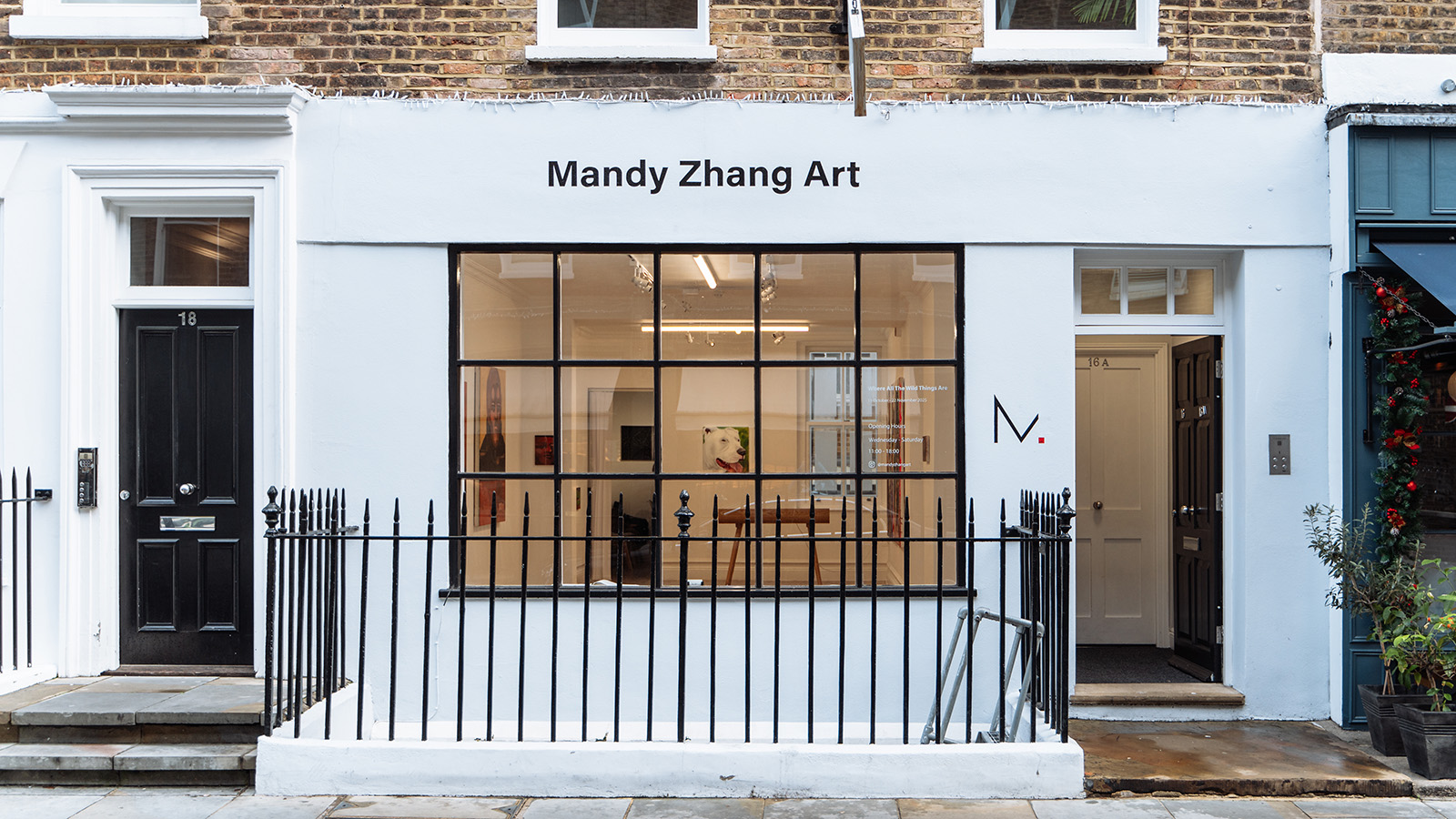
The Capitalyst: London became the place where your curatorial voice truly emerged. What did the city reveal to you – about yourself, and about the kind of art you wanted to stand behind?
Mandy Zhang: London is an extraordinary city. It has the capacity to hold multiple cultures, histories, and artistic languages at once — and, just as importantly, it has audiences willing to engage with that diversity.
Here, whatever kind of art you make, you can usually find someone who understands it. That gave me the confidence to stop worrying too much about what might suit the market or appeal to the majority, and instead focus on what truly has power — on works that genuinely speak.
London taught me that clarity of conviction often travels further than trend, and that sincerity can be a stronger strategy than constantly reacting to what feels current.
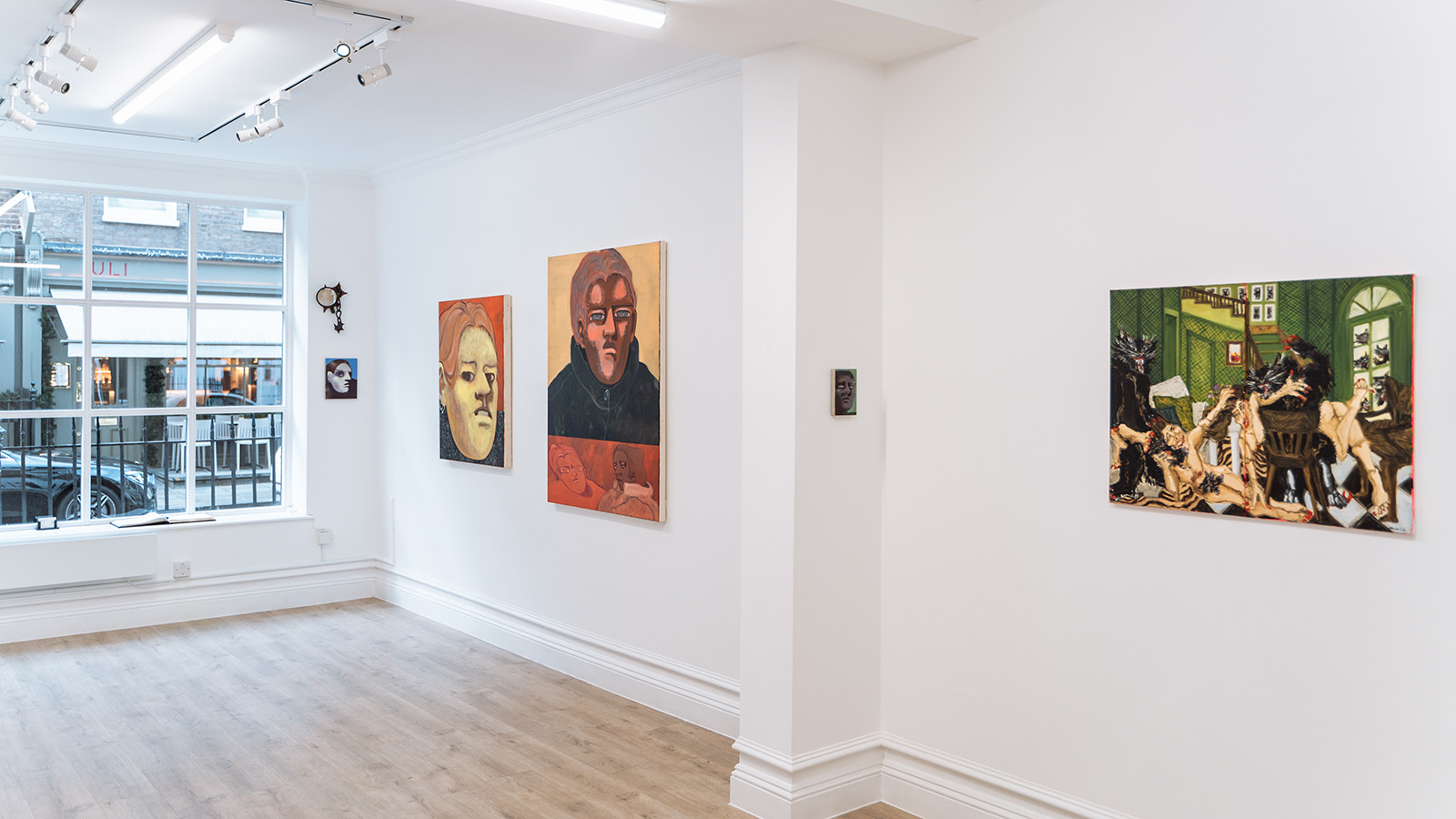
The Capitalyst: Before opening your gallery ‘Mandy Zhang Art‘, you transformed your own home into an exhibition space. What did those intimate, domestic shows teach you about connection, vulnerability, and trust?
Mandy Zhang: The home gallery was a very special experience. People always responded strongly to those shows.
The idea of “home” naturally creates intimacy — but a “home gallery” sits somewhere between safety and exposure. Visitors entered what appeared to be a warm, domestic environment, but at the same time they were stepping into someone else’s life. I opened my living space to the public and gave up a great deal of privacy.
Both sides were navigating that tension — between comfort and intrusion — yet we were brought together by one shared reason: the artist and the work on show. In that context, connection formed very quickly. What might start as casual curiosity often turned into genuine bonding.
That kind of trust rarely forms so fast in traditional commercial spaces. It is indeed that vulnerability, when held carefully, that can be incredibly powerful.
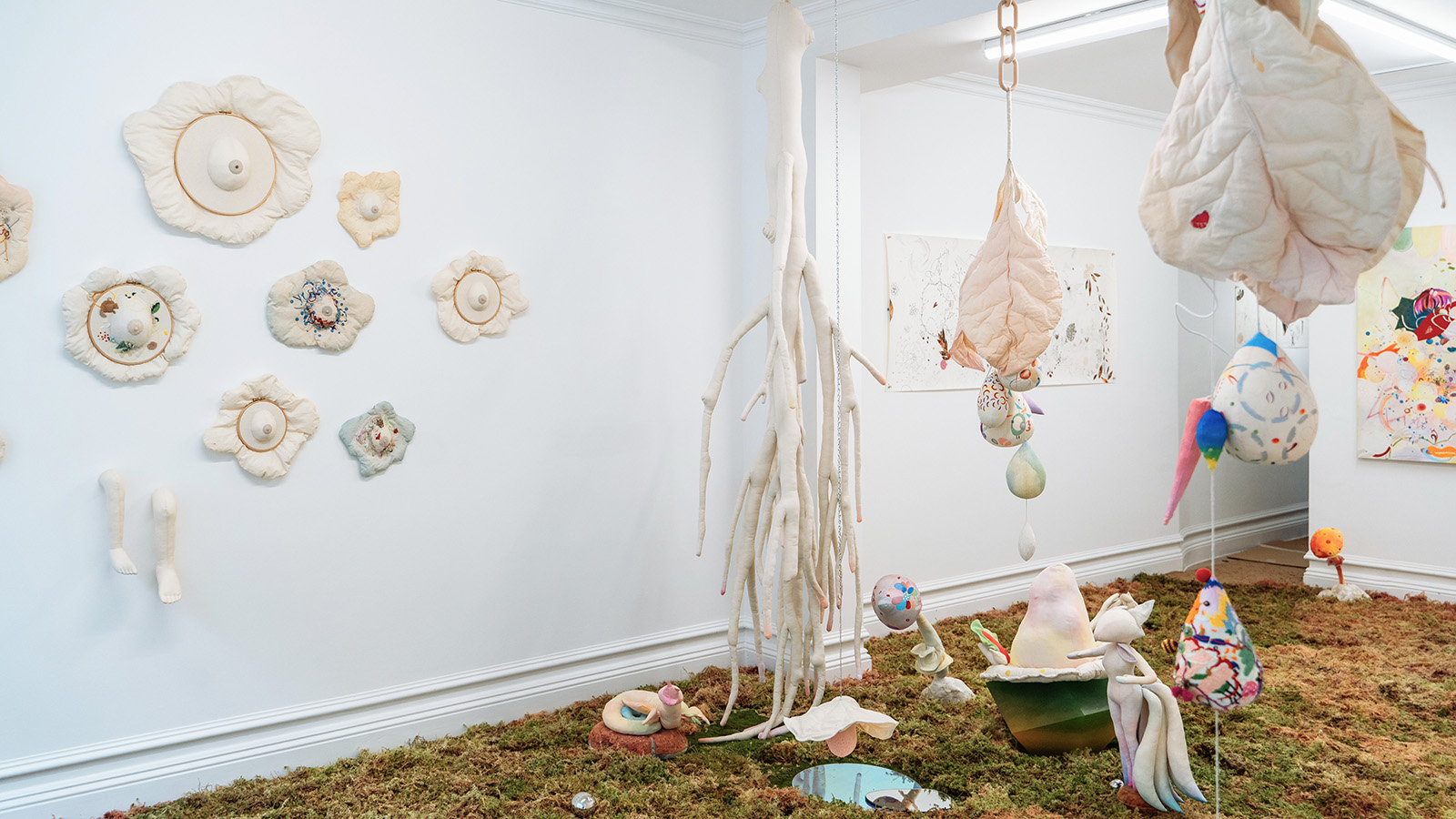
The Capitalyst: Having lived and worked between cultures, how do you perceive the current art scene in China, particularly for younger artists navigating global visibility and local context?
Mandy Zhang: I think the Chinese art scene is evolving at an extraordinary pace. There is a strong sense of energy and possibility — you can feel it in the more than 400 exhibitions and events held during Shanghai Art Week last year.
For younger artists, the challenge today is less about opportunity and more about positioning. Many are deeply influenced by global discourse, yet also want to remain rooted in their own cultural and emotional contexts. Navigating that balance is complex, but it’s also where some of the most interesting work is emerging.
I see this moment as one of redefinition. Younger artists are reshaping what “Chinese contemporary art” can mean — not as a fixed identity, but as something fluid and outward-looking. My role, as I see it, is to help support that visibility internationally while respecting the depth of where the work comes from.
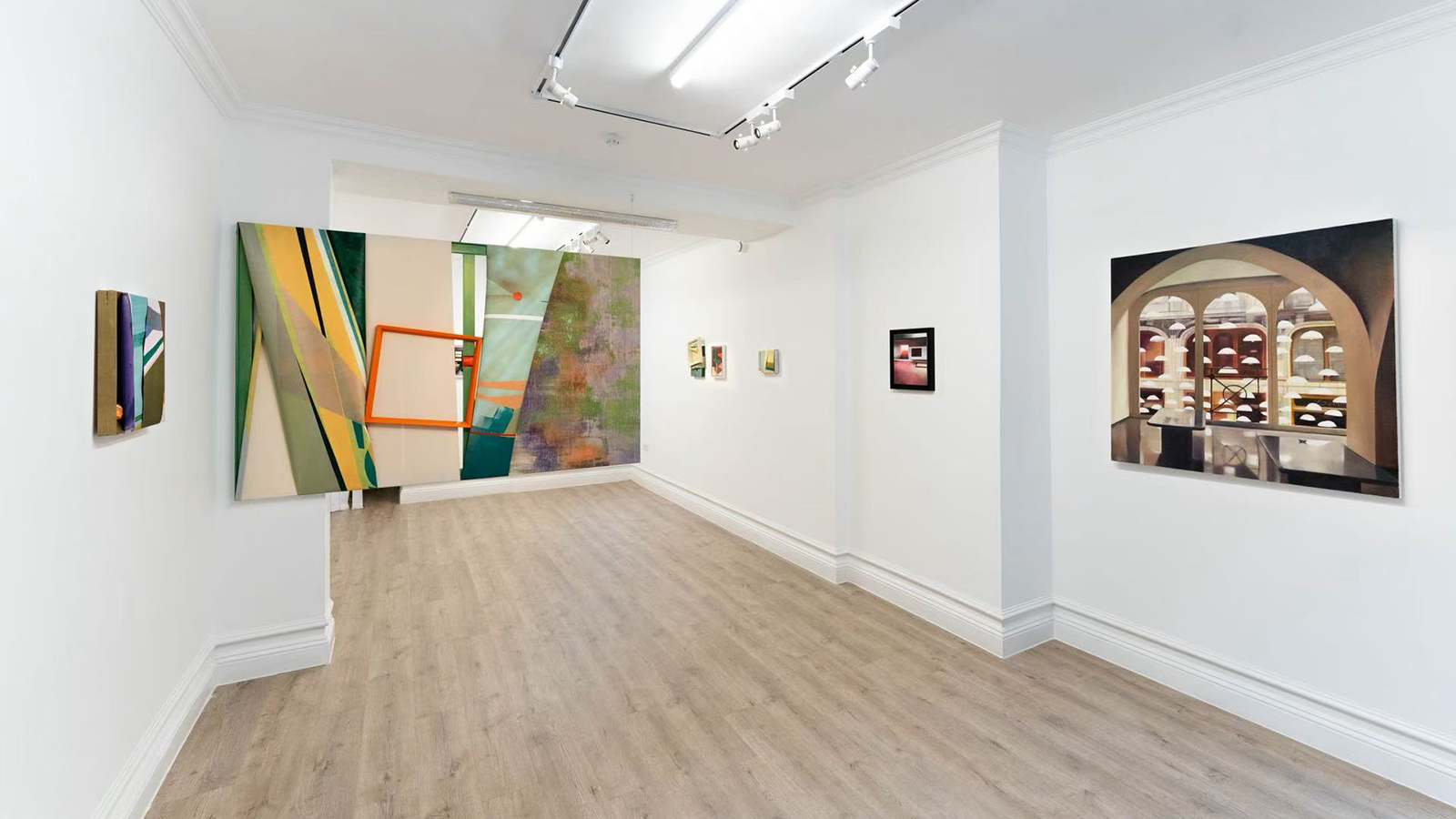
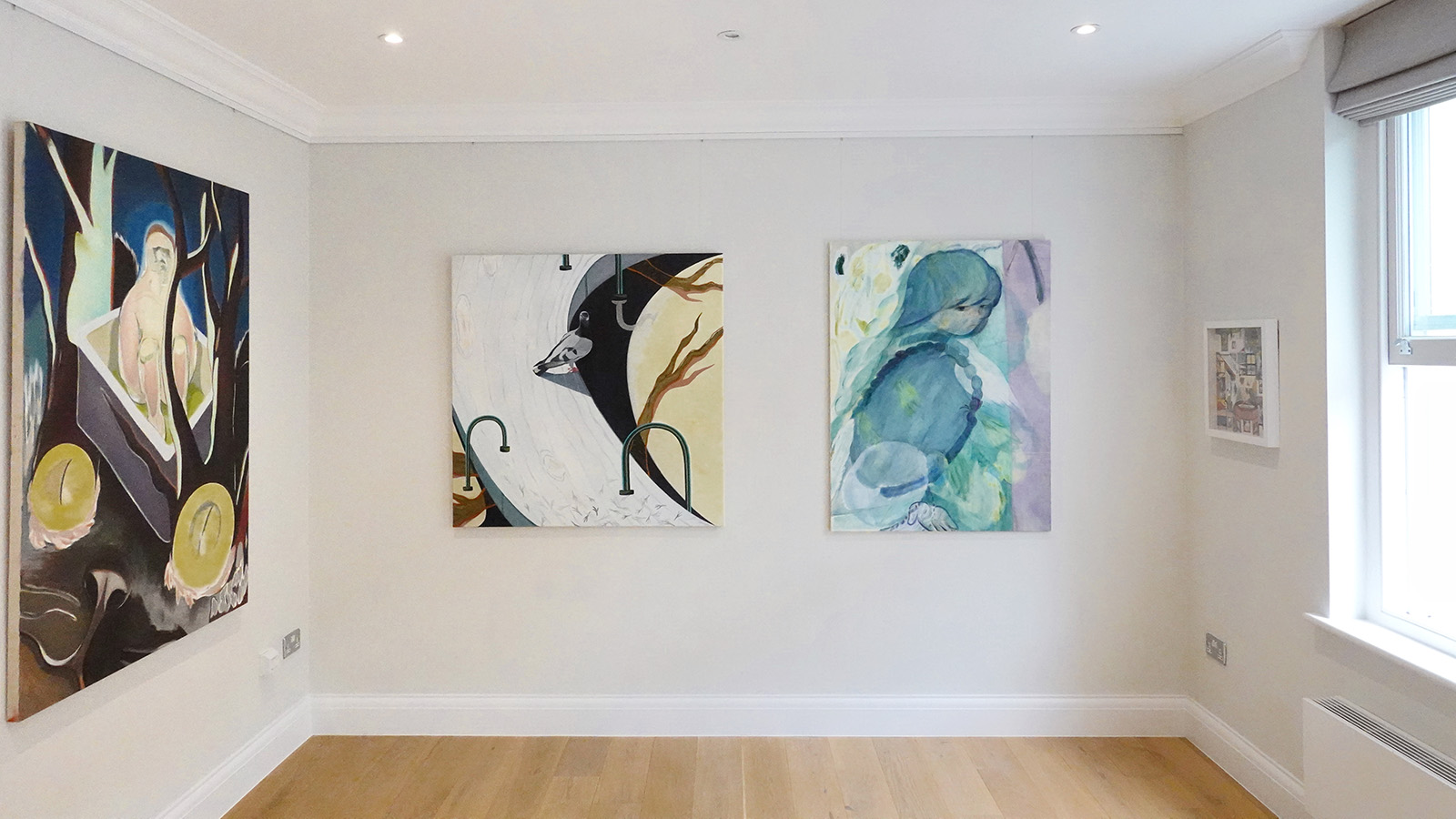
The Capitalyst: With the opening of Mandy Zhang Art in Marylebone, you spoke about the urgent need for visibility for emerging Asian artists. What responsibility do you feel as a gallerist shaping these narratives?
Mandy Zhang: Beyond presenting Asian artists’ works, I see myself as building a community — and, more importantly, an infrastructure of trust.
That means creating a space where artists, collectors, curators, and institutions from different cultural backgrounds can engage with confidence. Visibility alone isn’t enough; context matters. The responsibility lies in translating these voices thoughtfully, so they can resonate internationally without being simplified or exoticised.
I want the gallery to be a place where artists from across Asia are not only seen, but understood — and where long-term relationships can form around their work.
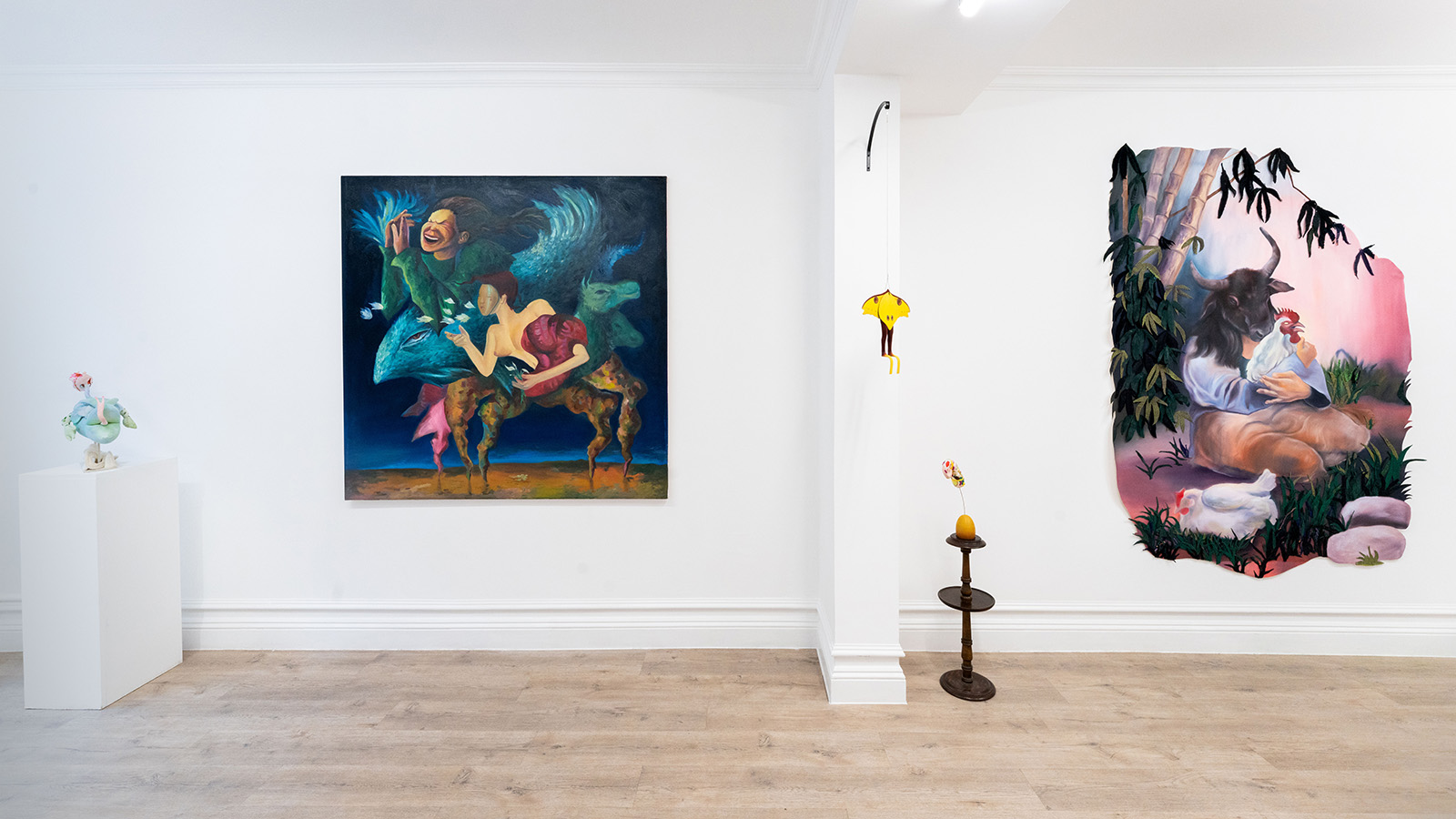
The Capitalyst: Your curatorial focus often centres on cross-cultural lives and in-between identities. Do you see the gallery as a space for dialogue, resistance, or belonging – or something else entirely?
Mandy Zhang: It is certainly a space for dialogue and belonging, but also for circulation.
We don’t only invite people in to experience art — we also send things outward. Ideas, energies, and narratives that might otherwise remain contained are allowed to move further.
The artists I work with often express their cross-cultural experiences in their work. The gallery’s role is to amplify that energy — to help it expand beyond a single geography and enter broader conversations.
The Capitalyst: Running a gallery today requires equal parts intuition and resilience. How has entrepreneurship changed the way you define success – beyond sales or recognition?
Mandy Zhang: Running a gallery is not a “good business” in the conventional sense of input and output. Any purely rational investor would probably find the model illogical.
Yet galleries around the world continue to exist because this field is filled with hope and belief. There’s a story I often share: one of the artists I worked with from the very beginning of my career told me that six months after our first collaboration, the paintings we sold together paid for her master’s tuition. Without that, she might have had to give up her dream school.
Realising that what I do can tangibly change someone’s life was incredibly powerful. Sometimes I joke that the entire art world is a form of charity — artists create with little financial security, galleries support them at a loss, institutions rely on donations, and collectors spend willingly.
Yet somehow, it sustains itself. I believe that in the future, the art world will belong less to those who optimise for scale, and more to those who can sustain belief — from artists, audiences, and collectors alike. That is what success looks like to me.
The Capitalyst: When everything is stripped back – the market, the noise, the expectations – what ultimately guides your decisions as a curator and founder?
Mandy Zhang: What makes the world a better place — and what is meaningful to humankind over time.