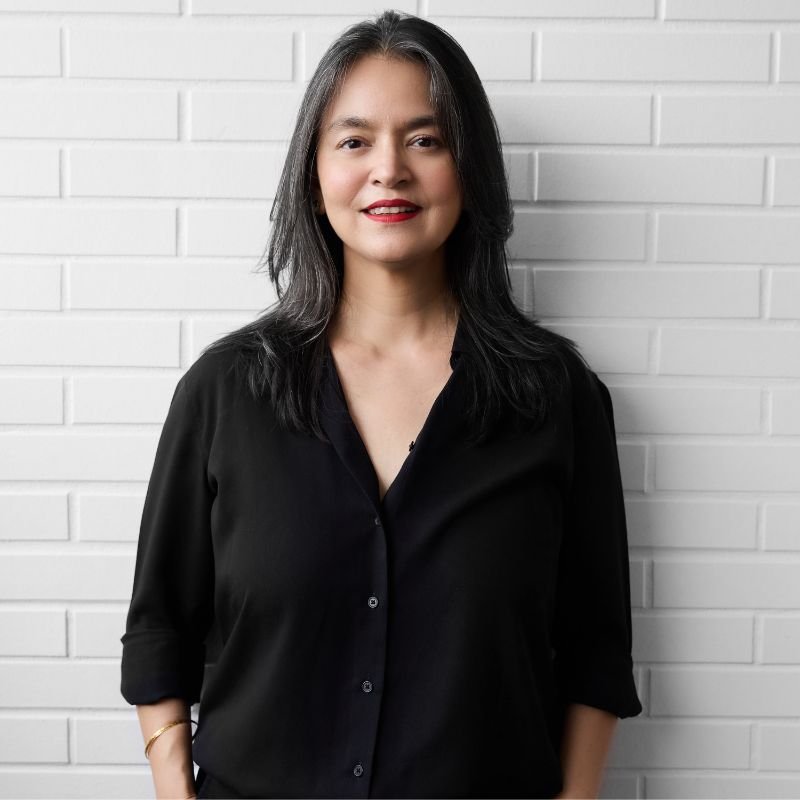
The Capitalyst: Growing up as the daughter of icons Bushra and Iqbal Ansari, you have spoken about feeling the “weight of expectations” early in your career. How did you navigate the transition from trying to be who people expected you to be, to embracing who you actually are?
Nariman Ansari: I cannot explain how important Pakistan Television was to Pakistanis. Since our film industry was small, it is television which has always been our strength and defined culture. Growing up in the company of the pioneers of Pakistani drama was certainly a privilege, but definitely overwhelming for a young mind struggling with identity. For me, leaving Pakistan was the first time I was able to see myself in isolation from the fame of my family. Therein began the work of figuring out my own path.
The Capitalyst: You spent years in the high-energy world of TV directing and art direction (assisting on iconic videos like Khamaj). What was the “lightbulb moment” that made you realize photography—and specifically capturing raw, un-staged family moments—was your true calling?
Nariman Ansari: I was always trying to find my own way of telling stories. Even though my aim was to join the television industry, motherhood changed my path and I wanted to find a better work-life balance. This forced me to be creative in my pursuit of stories and this is how I started a portrait studio, maybe one of the first female-led ones in Karachi, in 2008. I loved being a part of something memorable in someone’s life.
The Capitalyst: Images, whether moving or still, have always inspired your work. What’s your core belief about giving meaning to a picture, and how does that philosophy extend to the stories you tell across your projects?
Nariman Ansari: I never considered myself to be a photographer or artist. I was always told by others that this is who I was. Images and symbols always intrigued me. I loved studying the work of Dada-ist artists like Marcel Duchamp and the idea of ‘found objects’. I feel like it applies to human beings as well. The War on Terror arriving on the border of Pakistan certainly put Pakistan in the spotlight and forced us to look at ourselves through the eyes of the world. This frustrated me. It made me realise how desperately we needed to tell our own stories and how little representation Pakistani artists or writers had in the international cultural landscape. How little control we have of the narratives defining us. Meaning comes from truth. Our truth about ourselves was being ignored. And this made me hyper aware of everything the world did not know about Pakistan.
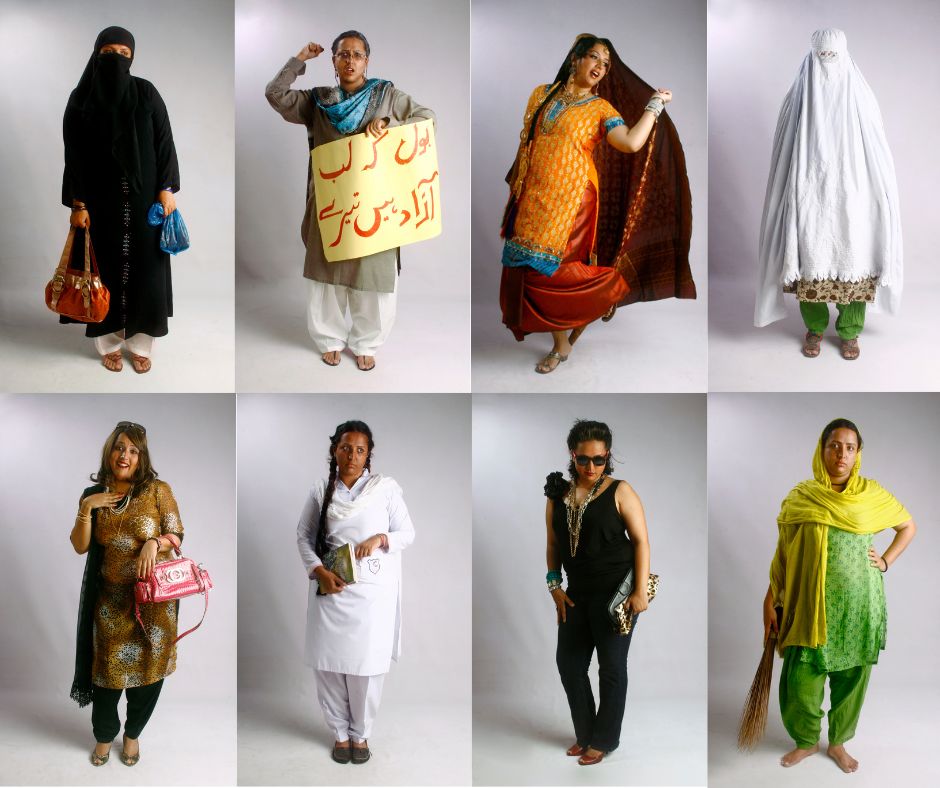
The Capitalyst: Your self-portrait series deconstructing stereotypes of Pakistani women earned international acclaim. How has living in Canada’s multicultural landscape reshaped your understanding of identity and belonging today?
Nariman Ansari: It was interesting to be a real ‘fish out of water’ in Canada. I felt first of all that I was missing my muse. All my stories were left behind. I felt like I had nothing to say. I had to find ways to describe myself. ‘Muslim’, ‘Female-identifying’, ‘Immigrant’, ‘Newcomer’, ‘South Asian’. I was the ‘Other’, in a first world context. Canada’s acceptance of multiculturalism is refreshing, and I found many artists exploring the idea of ‘home’ here. It made me feel connected to a wider struggle and also search for what being Pakistani meant for me. Again, as always I landed on amplifying Pakistan’s culture and stories, not just my own. I think it made me realise how deeply I cared about our people and their place in the world. I also discovered how much I loved being part of the wider South Asian community. How we share so much across borders and languages.
The Capitalyst: Your artistic journey has taken you from exhibiting photography at festivals across China, India, and the UK, to programming films at MISAFF, joining LIFT’s newcomer program, and now hosting a video podcast. That is a fascinating progression across mediums. What was the connecting thread through these transitions?
Nariman Ansari: Stories and Pakistan. As I mentioned earlier, I never wanted to restrict myself to one medium of expression. Curiosity has always been at the core of my projects. Whether it was exploring Saadat Hasan Manto’s life and work for my thesis, or deconstructing stereotypes of Pakistani women or photographing Pakistani soldiers injured in the War on Terror, I tried to fill the blanks in my own visual vocabulary. In whatever medium was suitable, at the time.
The Capitalyst: You have taught at universities and mentored artists, many navigating immigrant creative challenges similar to your own. What is the one creative philosophy you consistently instill in them?
Nariman Ansari: Be curious and be adventurous. The real work is inside.
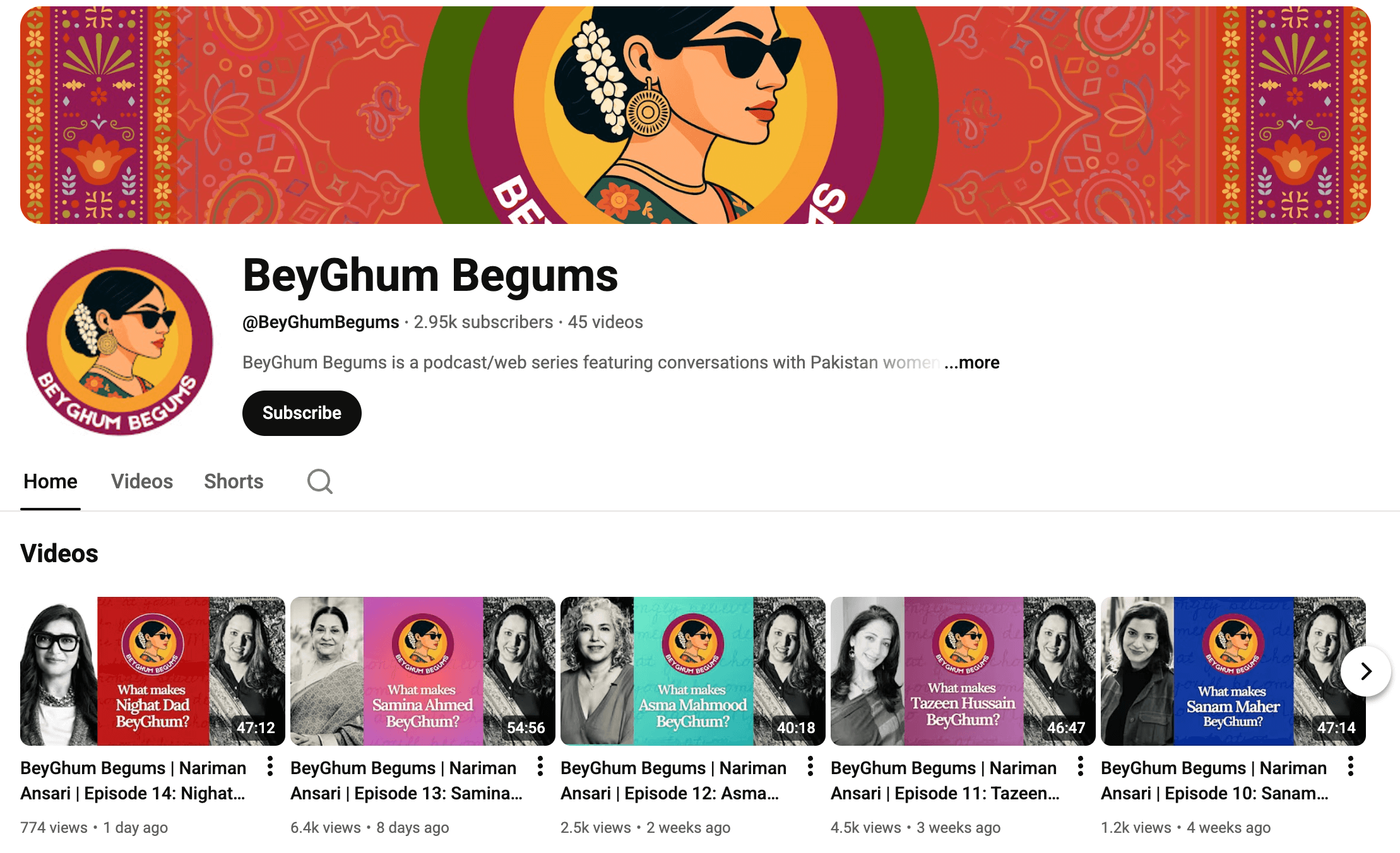
The Capitalyst: With “BeyGhum Begums” featuring powerhouse guests like Bushra Ansari, Sanam Maher, and Sheema Kermani, what inspired the name and your focus on intimate conversations about South Asian women’s power, freedom, and reinvention?
Nariman Ansari: Therapy made me confront my own fears and question why women hold themselves back. How much is nature and how much is nurture? Islam is central to our society, but the problems women face have more to do with culture than religion. Who creates this culture and who enforces it? We have been talking about women’s rights for decades, but till we confront how we oppress ourselves, we will not be able to find peace.
I also read about the Bechdel Test introduced by the artist Alison Bechdel, which explores the idea of women’s representation in film, where women are only either in conversation with a man, or in the context of men. I wanted this series to be about women, talking about themselves. Thats it. I wanted to focus on older women, over 40, since I feel that there is much to learn from their experience of life. And these conversations are missing in the media at the moment. This is why it is called Begums. And they are BeyGhum, because they have chosen to be true to themselves and found contentment.
The Capitalyst: As host of this video podcast, what is one revelation from recent episodes that has shifted your own perspective? Where do you see “BeyGhum Begums” heading next in its mission to amplify begum voices worldwide?
Nariman Ansari: As I ask every woman, why are women so afraid, I hear social conditioning and social pressure. When I ask my guests, why they were NOT afraid of being themselves, or speaking their minds, often I hear that the men in their families supported them. It is a good reminder that men and women do not exist in silos. Our success and happiness is co-dependent in many ways. Secure and confident men are never a threat to women.
As for the show, I am keeping all options open. As I get older, I have learned to plan less and focus more on the present. I will continue to look for ways to amplify Pakistan and South Asia in any way I can.