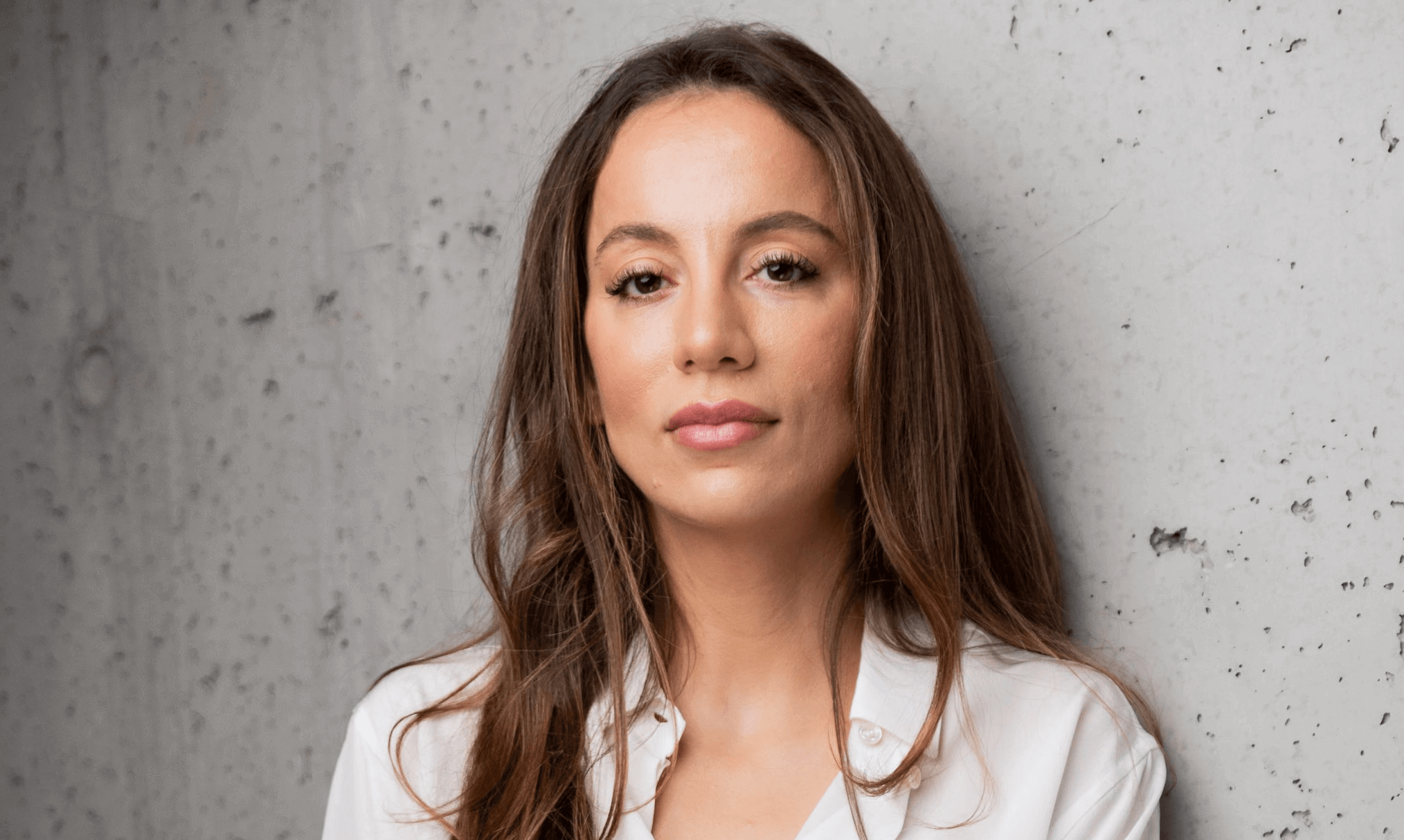
The Capitalyst: Can you tell us about your early life in Germany and the experiences that first ignited your interest in fashion, imagery, and storytelling?
Sarah: I grew up in Germany within a very rational, structured education system, which gave me a solid analytical foundation and later made me unafraid to combine technology and art. At the same time, my childhood was very tactile: I spent hours painting, crafting, and experimenting with materials. I believe this physical engagement—using the hands, feeling textures, building things, even handwriting—is crucial for wiring the brain for creative work. Those early experiences taught me that logic and imagination don’t contradict each other; they can coexist and feed into each other, which is exactly how I approach fashion, imagery, and storytelling today.
The Capitalyst: Having lived in Barcelona for over two decades, how has the city’s creative energy, street culture, and visual language influenced your approach to style and form?
Sarah: Barcelona’s architecture, its particular Mediterranean light, and the constant dialogue between ornament and structure – from the fluid lines of Modernism to weathered, crumbly historic corners — feed directly into my work. That tension between discipline and softness, control and decay, is something I return to again and again in my designs.
When I first arrived, the city’s creative and nightlife scene felt raw and unfiltered. There was a strong sense of openness and experimentation that made it easy to connect with artists, designers, and other creative minds, many of whom influenced me deeply. That
early energy still lingers for me, alongside the city’s laid-back Mediterranean rhythm, creating a balance between structure and ease that continues to inform how I approach form, texture, and mood.
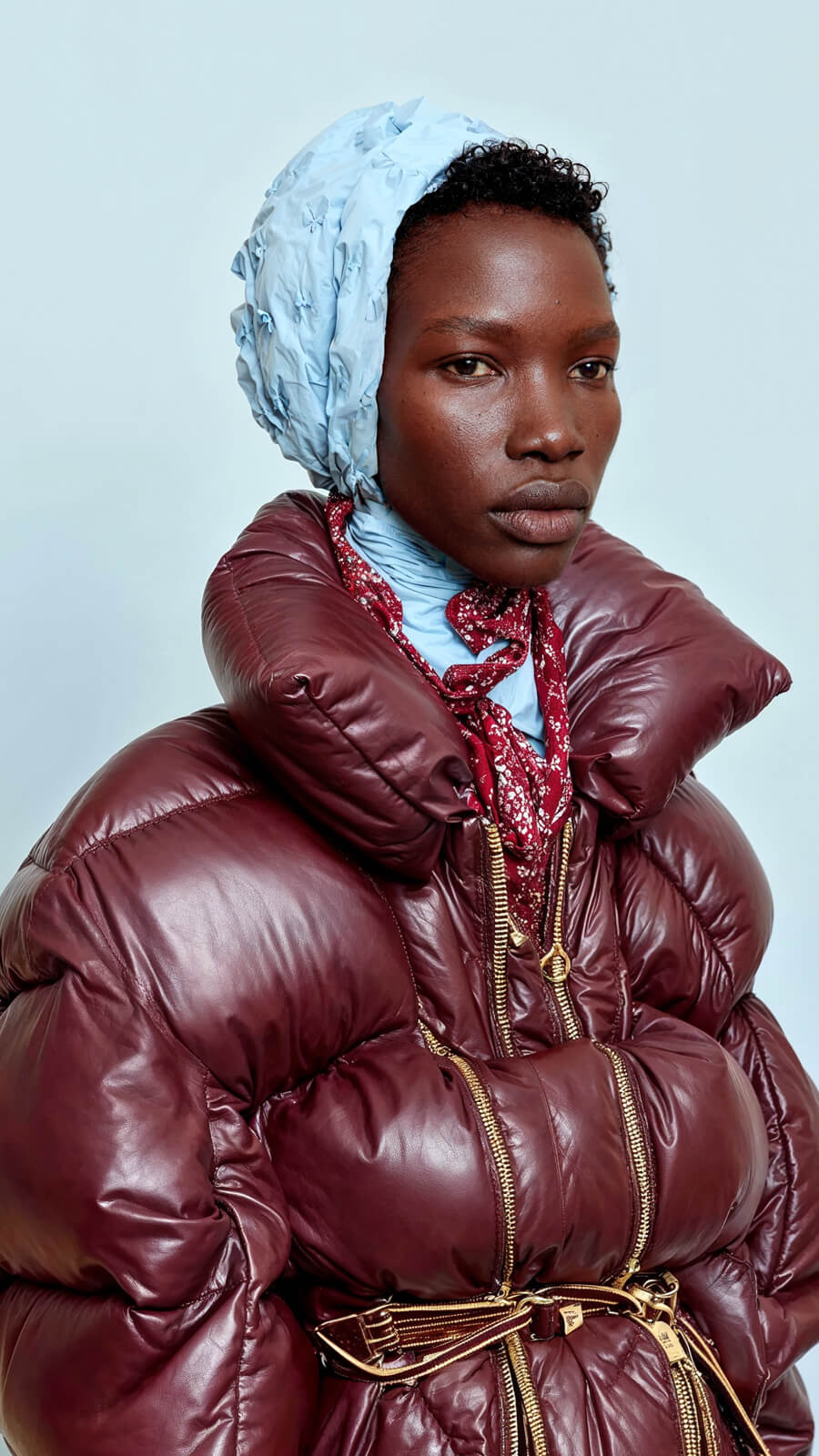
The Capitalyst: After nearly twenty years working in sustainable and circular fashion, what prompted you to begin experimenting with AI and to create your artistic persona, digitaldrapery.ai?
Sarah: My first encounter with AI felt like a clear turning point. I realised almost instantly that the design process had changed forever. Suddenly, every half-formed thought or unexpected reference could become visible without large teams, long timelines, or significant budgets — and without the material waste that so often comes with traditional sampling.
Rather than limiting creativity, AI expanded it. Contrary to the idea that AI isn’t creative, I experience it as a highly creative tool — one that accelerates experimentation, allows ideas to evolve fluidly, and makes space for intuition again. After two decades in fashion, where real experimentation is often constrained by physical, financial, and commercial boundaries, this felt genuinely liberating.
Digitaldrapery.ai emerged from that realization. It became a space for exploration and prototyping, where technology extends intuition and where design, and imagination can meet without the usual limitations.
The Capitalyst: Cluster London describes your practice as a fusion of technology and craftsmanship. How do you practically unite these two worlds when designing garments, accessories, or digital silhouettes?
Sarah: Working in fashion for two decades has deeply shaped the way I approach technology. My love for detail — textures, patterns, fabrics, finishes — comes directly from years of hands-on experience with materials, textures and patterns. That knowledge allows me to communicate with AI in a precise, intentional way.
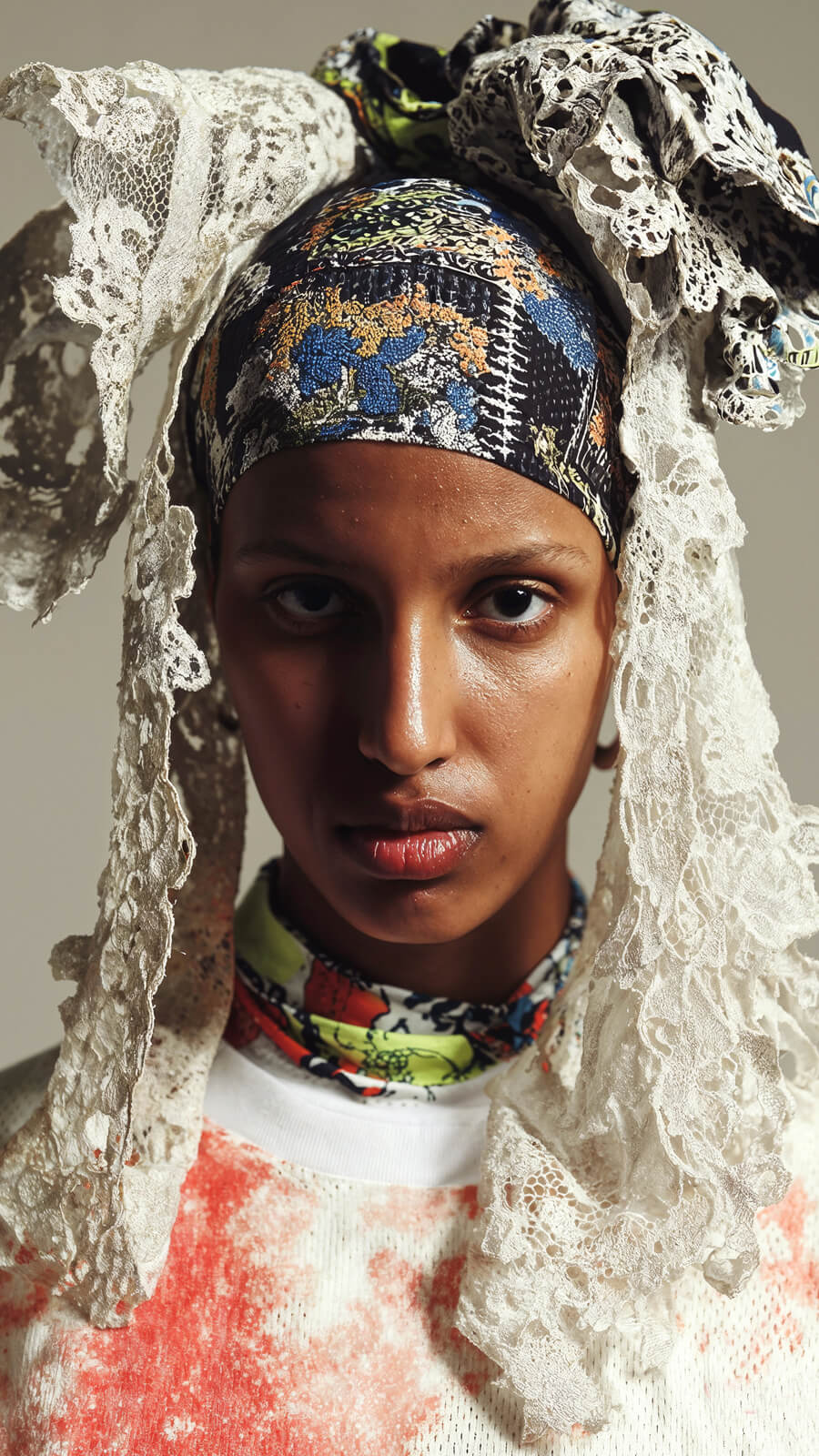
For me, prompting is an extension of craftsmanship. If a prompt is superficial or vague, the outcome will be as well. But when you understand fabrics, construction, weight, and finish, you can describe them accurately — and that’s when AI begins to reflect craft rather than just generate superficial images. If you want AI to show craftsmanship, you have to bring that sensibility into the process.
This is how I unite technology and craft in practice: by using my material knowledge to guide the digital process, translating tactile understanding into detailed instructions, and allowing technology to become a tool for expressing depth, texture, and intention rather than replacing them.
The Capitalyst: How would you articulate your core intention as an AI artist and fashion designer? What emotions or questions do you hope viewers experience when encountering your digital drapery works?
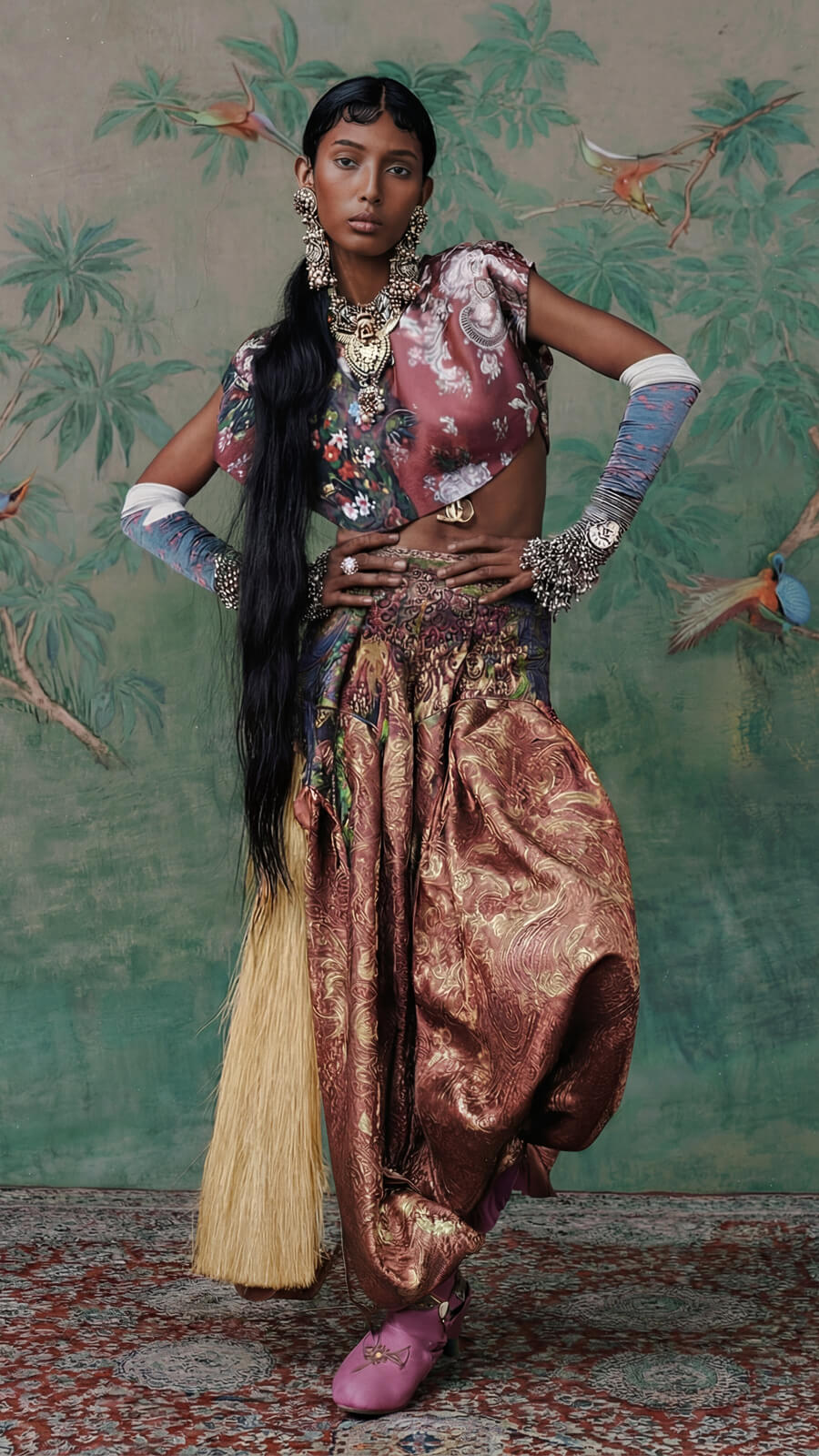
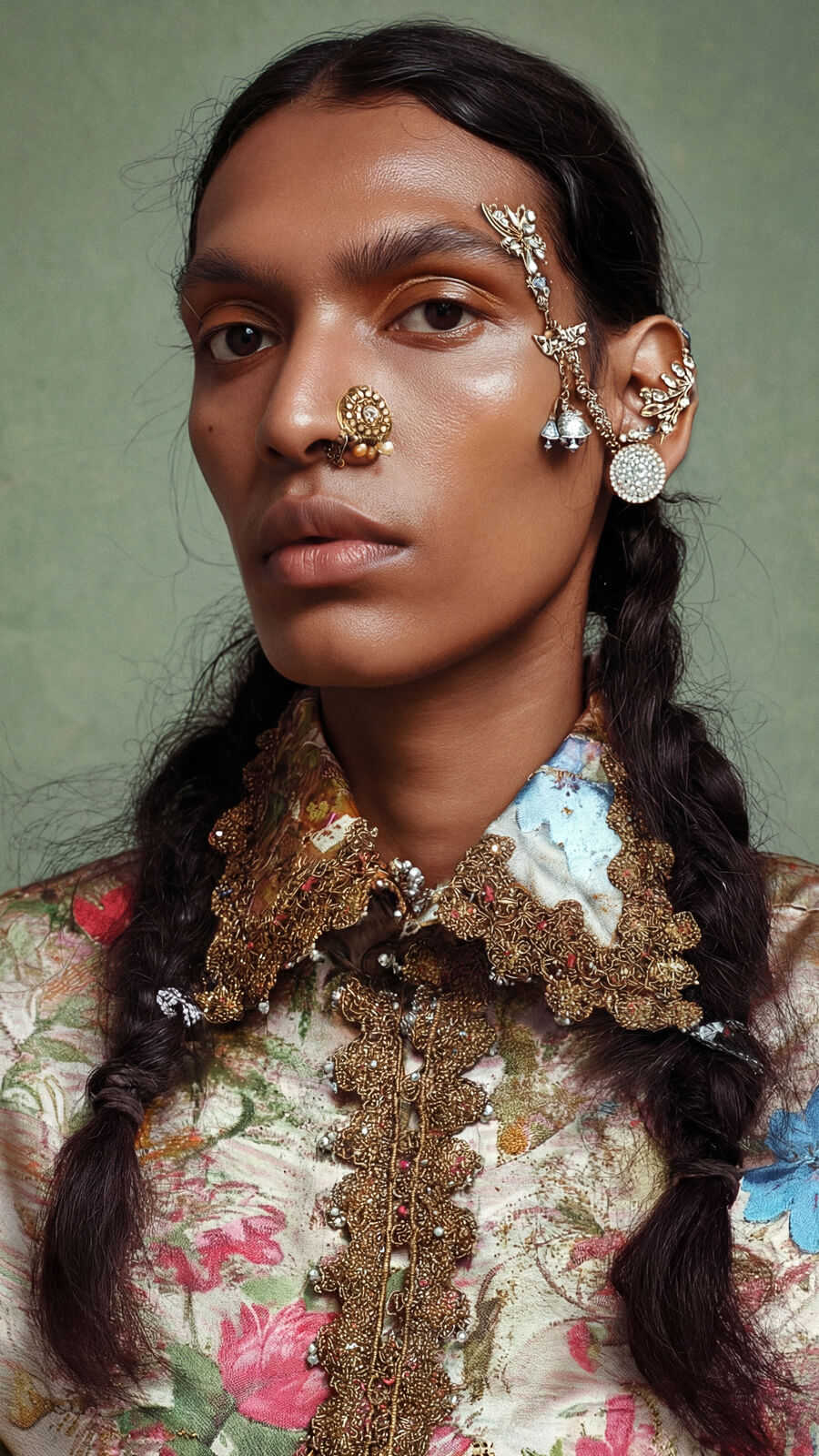
Sarah: At the core of my work is a desire to express the emotions that make us human — I’m drawn to movement and to the inseparable relationship between body and mind, where emotion becomes energy and energy becomes form through gesture, rhythm, material, and texture. For me, beauty exists in this exchange: it only fully comes into being when it is perceived, when a viewer encounters it and allows themselves to feel it before analysing.
The Capitalyst: Within traditional art and fashion ecosystems, where do you observe resistance to AI, and where do you see genuine curiosity, openness, or collaboration emerging?
Sarah: There’s a lot of hesitation around AI, especially in the arts, and with good reason. Many people don’t fully understand how it works, and some fear it might take over their jobs or their creativity. But AI isn’t going away, no matter how much it’s resisted, which is why I think it’s crucial for artists to engage with it, understand it, and ultimately help shape how it is used. At the same time, I see genuine curiosity and openness emerge when people encounter work that feels thoughtful and intentional — one of my goals is precisely to spark that curiosity.
The Capitalyst: Could you walk us through your creative process—from the first conceptual spark through sketching, training and prompting, refinement, and finally translating ideas back into physical or tangible forms?
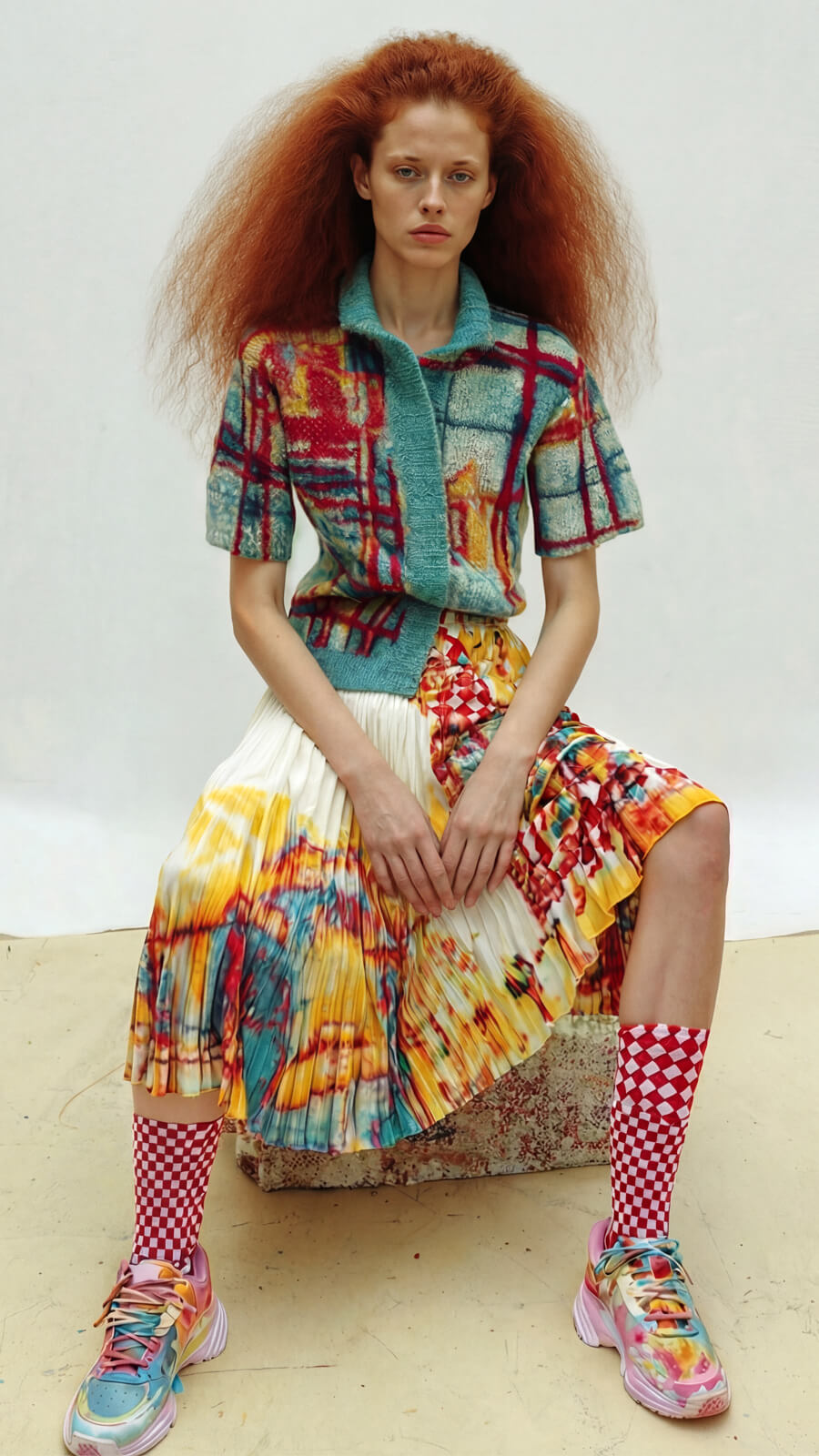
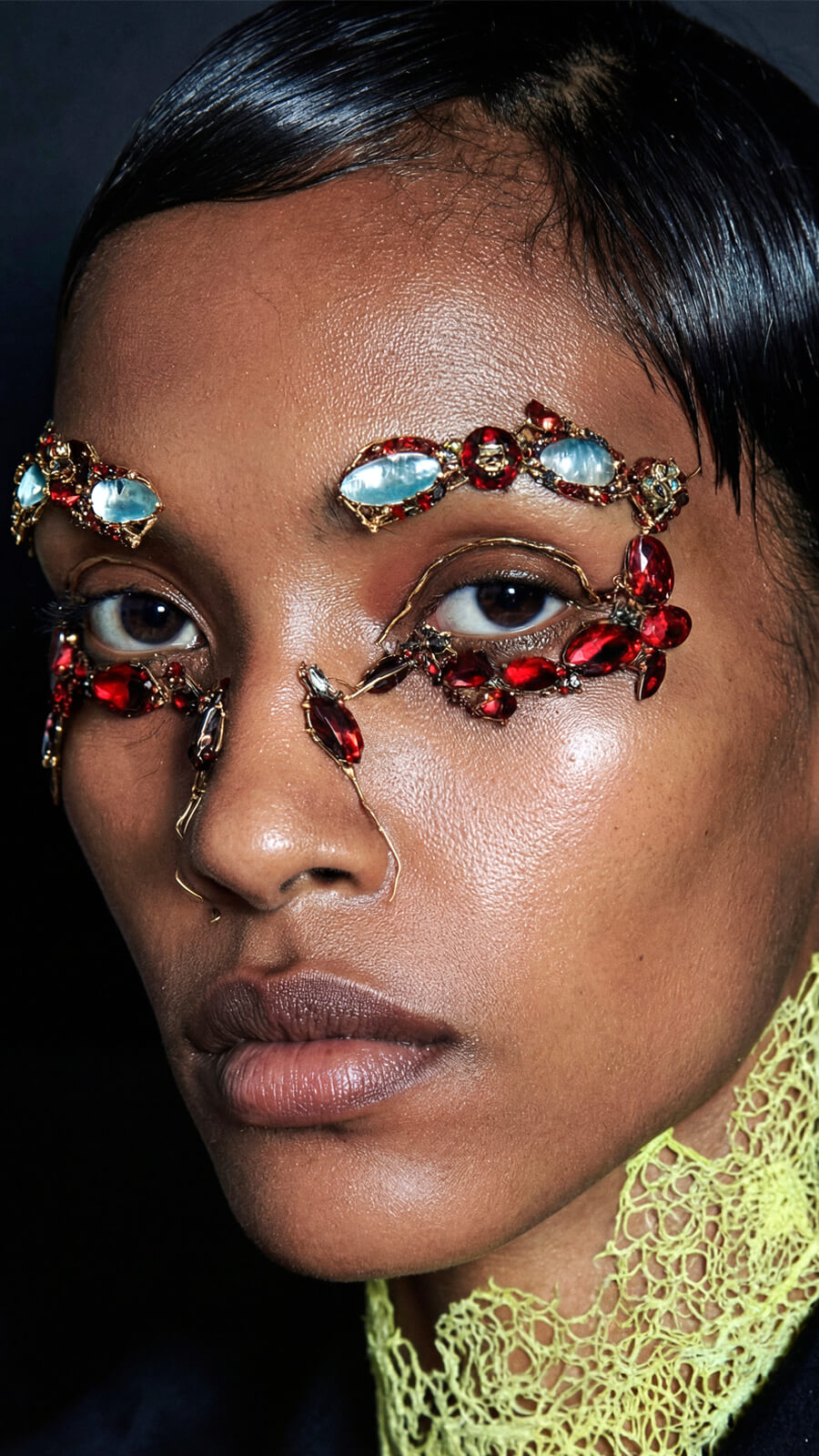
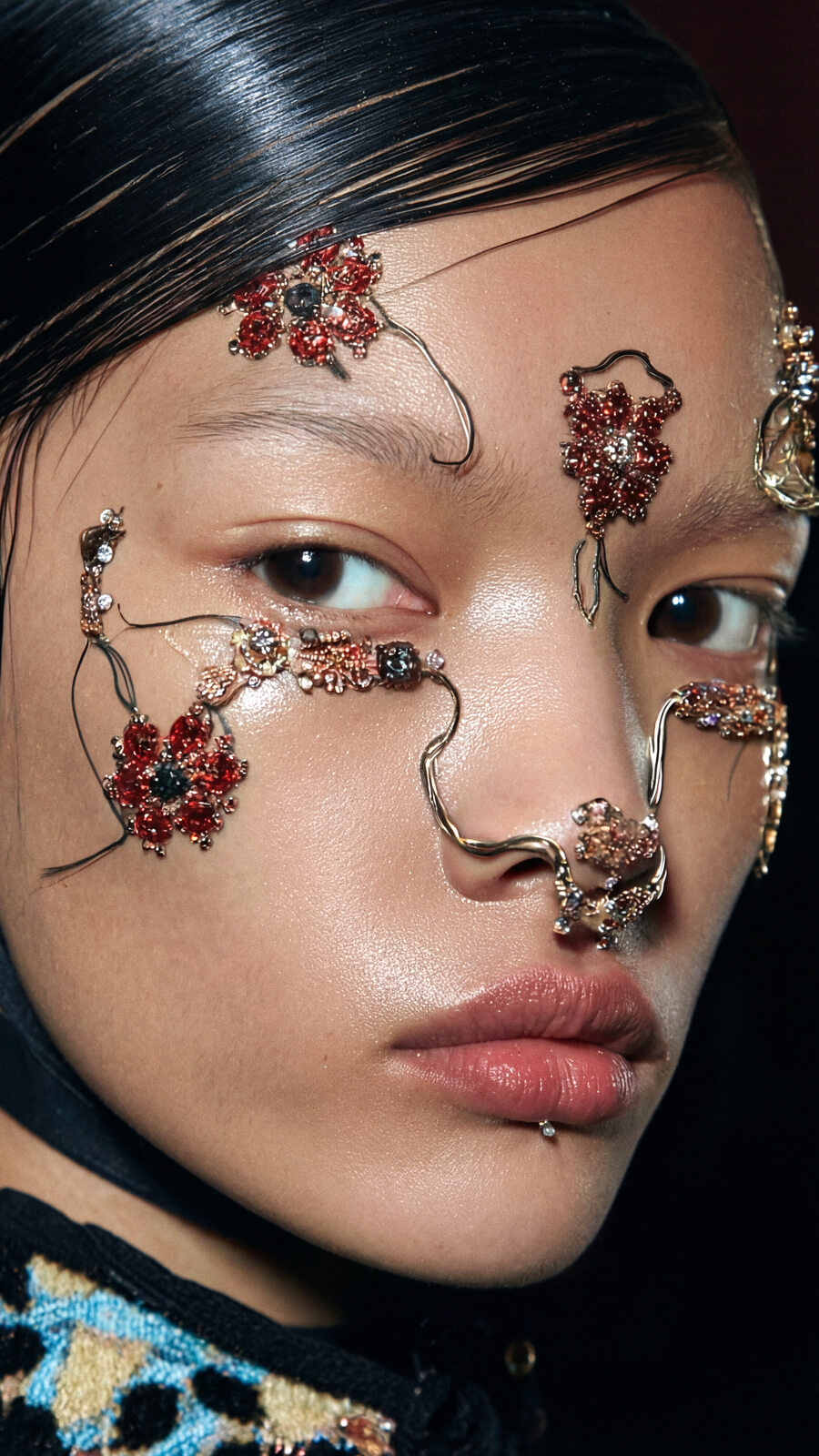
Sarah: I starts with an idea, an emotion, music or a person I see on the street — I translate it into simple prompts, which I test across different tools and parameters. Once a direction emerges, I refine the prompts repeatedly, using each generated outcome as a visual reference to guide the next iteration. When an image begins to feel visually compelling, the refinement stage begins: focusing on small details, color corrections, texture, and upscaling. I often combine different tools and techniques within a single image, working on specific areas or layers, and finish with subtle touches like grain to unify and enrich the result.
That said, there is no unified, single process at the moment — everything is experimentation. Every image behaves differently, and tools evolve at the speed of light. I’m constantly trying new things, testing, and then going with the flow, letting the output guide me. The process is iterative, intuitive, and open-ended, which is part of what makes it so exciting.
The Capitalyst: Looking ahead, how do you envision the future of art and fashion creation with AI? Which possibilities excite you most, and what role do you hope to play in shaping that future?
Sarah: I see AI fundamentally reshaping the way art and fashion are imagined and created. It opens up possibilities that were previously impossible — from exploring entirely new forms, textures, and materials, to rapidly visualizing ideas that might have taken weeks or months to sketch and prototype. What excites me most is the potential for experimentation without boundaries: AI allows us to test concepts, play with movement, and explore new aesthetics in real time, accelerating creativity while challenging conventional workflows.
In the supply chain, AI will play a crucial role in making fashion more sustainable — from guiding material selection and helping create sustainable fabrics, to production planning and demand forecasting — reducing waste and enabling more responsible design practices.
I hope to play a role in shaping this future by showing how AI can be used thoughtfully and creatively — as a tool for expression, exploration, and discovery rather than as a replacement for human intuition.
Photos by Sarah Leidig