In the world of alternative investments, a new player has entered the arena that’s turning heads in both financial and fashion circles: the Hermès bag fund. While traditional investors debate the merits of stocks, bonds, and real estate, a growing number of savvy wealth managers are building portfolios around one of the most exclusive accessories in the world: the Hermès Birkin and Kelly bags. What was once dismissed as frivolous spending has evolved into a legitimate asset class, with returns that rival traditional investment vehicles.
This isn’t just about owning beautiful handbags. It’s about recognizing that luxury goods, particularly those from the house of Hermès, have demonstrated remarkable resilience and appreciation in value over decades. As economic uncertainty drives investors to seek alternative assets, the concept of a dedicated investment fund for these iconic bags has transformed from novelty to serious financial strategy.
What Is a Hermès Bag Fund?
A Hermès bag fund operates on a straightforward premise: pool capital from multiple investors to acquire a curated portfolio of rare and desirable Hermès Birkin and Kelly bags, hold them as appreciating assets, and eventually sell them for profit. Think of it as a mutual fund, but instead of shares in companies, investors own fractional interests in a collection of meticulously authenticated luxury handbags.
These funds are typically managed by teams with dual expertise in luxury goods and financial management. They leverage relationships with auction houses like Christie’s and Sotheby’s, work with authentication experts, and maintain networks within the secondary luxury market to source bags and execute profitable resales. The fund handles everything from acquisition and storage to insurance and eventual liquidation, allowing investors to gain exposure to this unique asset class without the complexities of individual bag ownership.
Companies like Luxus Alternative Assets have pioneered this model, creating structured investment vehicles that treat Hermès bags with the same analytical rigor applied to traditional securities. Investors receive shares in the fund proportional to their investment, and returns are distributed when bags are sold, typically within a planned holding period of several years.
The Appeal of Hermès Bags as Investments
The extraordinary investment value of Hermès bags lies in a unique combination of scarcity, flawless craftsmanship, and enduring cultural prestige. Unlike most luxury goods, Hermès intentionally produces far fewer Birkin and Kelly bags than the market demands.
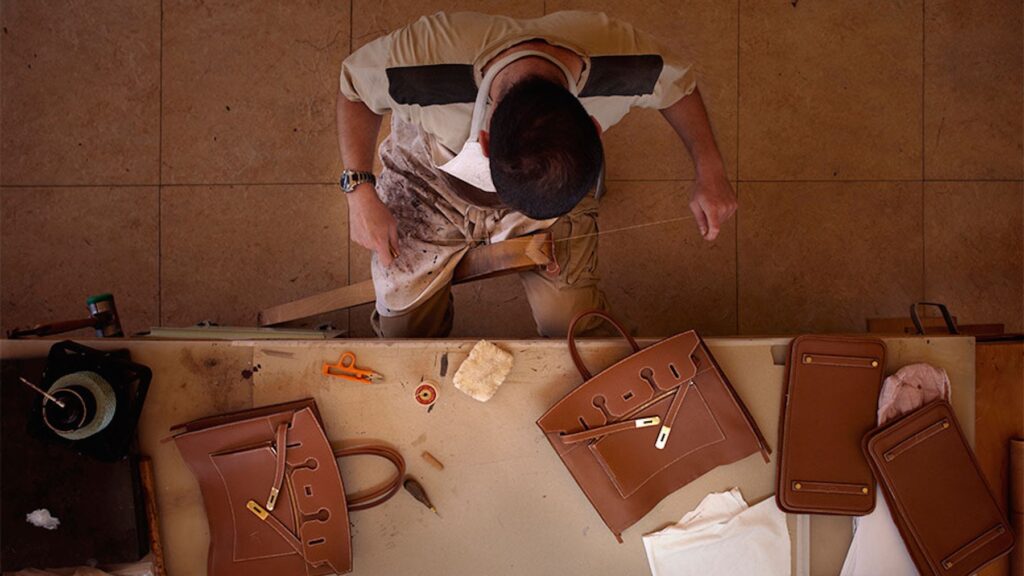
Each bag is meticulously hand-stitched by a single artisan, often taking over 18 hours to complete, and interested buyers face long waitlists and must build strong relationships with the brand. This deliberate scarcity fuels both immediate desirability and long-term rarity, making these bags challenging to acquire and highly coveted.
Another crucial factor is the remarkable craftsmanship and premium materials—ranging from exotic crocodile skin to superior leathers—ensuring that these bags maintain beauty and function for generations. The cultural cachet of the Birkin and Kelly, which have been icons since the 1980s, only adds to their lasting demand across age groups and continents.
Most compellingly, Hermès bags have consistently outperformed many traditional investment vehicles. A Kelly bag that cost $900 in the 1950s can now fetch $10,000 or more, while rare and well-cared-for Birkins have sold for hundreds of thousands—even millions—at auction.
Studies and luxury market data confirm that select models frequently outpace gold and the S&P 500, with resale values sometimes reaching 120% or more of the original price. As tangible assets, Hermès bags maintain allure and value regardless of volatile stock markets, earning their reputation as both luxury items and secure investments.
How the Hermès Bag Fund Works
The operational model of a Hermès bag fund combines luxury expertise with financial structuring. Here’s how these funds typically function:
Capital Raising: The fund opens to qualified investors, often with minimum investment thresholds ranging from $10,000 to $50,000 or more, depending on the fund structure. Investors receive ownership stakes proportional to their contribution.
Strategic Acquisition: Fund managers deploy capital to acquire bags through multiple channels. They may purchase directly from Hermès boutiques (utilizing established relationships), bid at major auction houses, or source from trusted consignors in the secondary market. The acquisition strategy focuses on bags with the highest appreciation potential: specific colors, sizes, and materials that market data suggests will command premium resale prices.
Authentication and Storage: Every bag undergoes rigorous authentication by multiple experts to ensure legitimacy. Given the proliferation of counterfeits, this step is critical. Authenticated bags are then stored in climate-controlled, secure facilities with comprehensive insurance coverage.
Portfolio Management: Like any investment fund, the collection is actively managed. Fund managers monitor market trends, track auction results, and assess optimal timing for sales. They may hold certain pieces longer if market conditions suggest continued appreciation, or liquidate others when valuations peak.
Exit Strategy: Bags are typically sold through auction houses, private sales to collectors, or established luxury resale platforms. The timeline varies, but funds generally operate on a three to seven year cycle, allowing sufficient time for appreciation while maintaining reasonable liquidity for investors.
Return Distribution: Once bags are sold, profits (minus management fees and operational costs) are distributed to investors according to their ownership stakes. Some funds offer earlier liquidity options through secondary markets where investors can sell their fund shares to other buyers.
Challenges and Risks in Investing in Luxury Bags
Despite attractive returns, Hermès bag funds carry unique risks requiring careful consideration before investing.
Condition Sensitivity: Unlike fungible assets like stocks or gold, each bag is unique. Scratches, worn corners, or discoloration can reduce value by 30% to 50% or more. Even with proper storage, leather ages unpredictably as an organic material.
Authentication Complexity: Sophisticated counterfeiting presents serious challenges. A single authentication error can result in total value loss, requiring funds to invest heavily in multiple expert authenticators and emerging verification technologies.
Acquisition Difficulties: Buying from Hermès boutiques requires established relationships and substantial spending on other products, increasing the true cost basis. Secondary market purchases command 50% to 100% premiums above retail.
Limited Market Liquidity: Despite infrastructure improvements, market liquidity remains constrained. Converting a $50,000 Birkin to cash takes considerably longer than selling stocks, with limited buyers for six-figure handbags.
The Future of Luxury Investment
The Hermès bag fund represents a fascinating intersection of fashion and finance, transforming luxury goods from status symbols into legitimate wealth-building assets. What began as an unconventional idea has matured into a credible investment strategy backed by compelling performance data and growing investor interest.
For the right investor with appropriate risk tolerance and proper diversification, these funds offer exposure to an asset class with demonstrated appreciation and low correlation to traditional markets. However, success requires careful due diligence, realistic expectations about liquidity, and recognition that past performance never guarantees future returns.
Whether this represents a lasting evolution in alternative investing or a temporary phenomenon remains uncertain, but the Hermès Birkin has undeniably secured its place in both fashion history and financial portfolios. For those who have always believed that true luxury is timeless, perhaps it’s not surprising that it can also be profitable, proving that the most enduring investments combine lasting value with undeniable beauty.